
Gothic Literature
The Eternal Night: A History of Vampire Fiction
From Polidori's The Vampyre to Anne Rice's Lestat — tracing two centuries of the undead in literature and how they shaped modern gothic culture.
8 min read·September 5, 2026
Read The Archives
Centuries of vampire mythology, gothic fiction, and horror culture — catalogued for the devoted.
Featured
From Polidori's The Vampyre to Anne Rice's Lestat — tracing two centuries of the undead in literature and how they shaped modern gothic culture.
A deep dive into the most influential vampire video games ever made — and what makes them endure decades after release.
Who was Vlad III of Wallachia, and how did a 15th-century warlord become the world's most famous vampire? The truth is stranger than fiction.

Newly digitised archives reveal how Stoker spent years researching Transylvanian folklore, Eastern European history, and Victorian anxieties to craft the definitive vampire novel.
How a post-punk music scene in 1970s Britain evolved into a global aesthetic movement that still shapes fashion, art, and identity today.
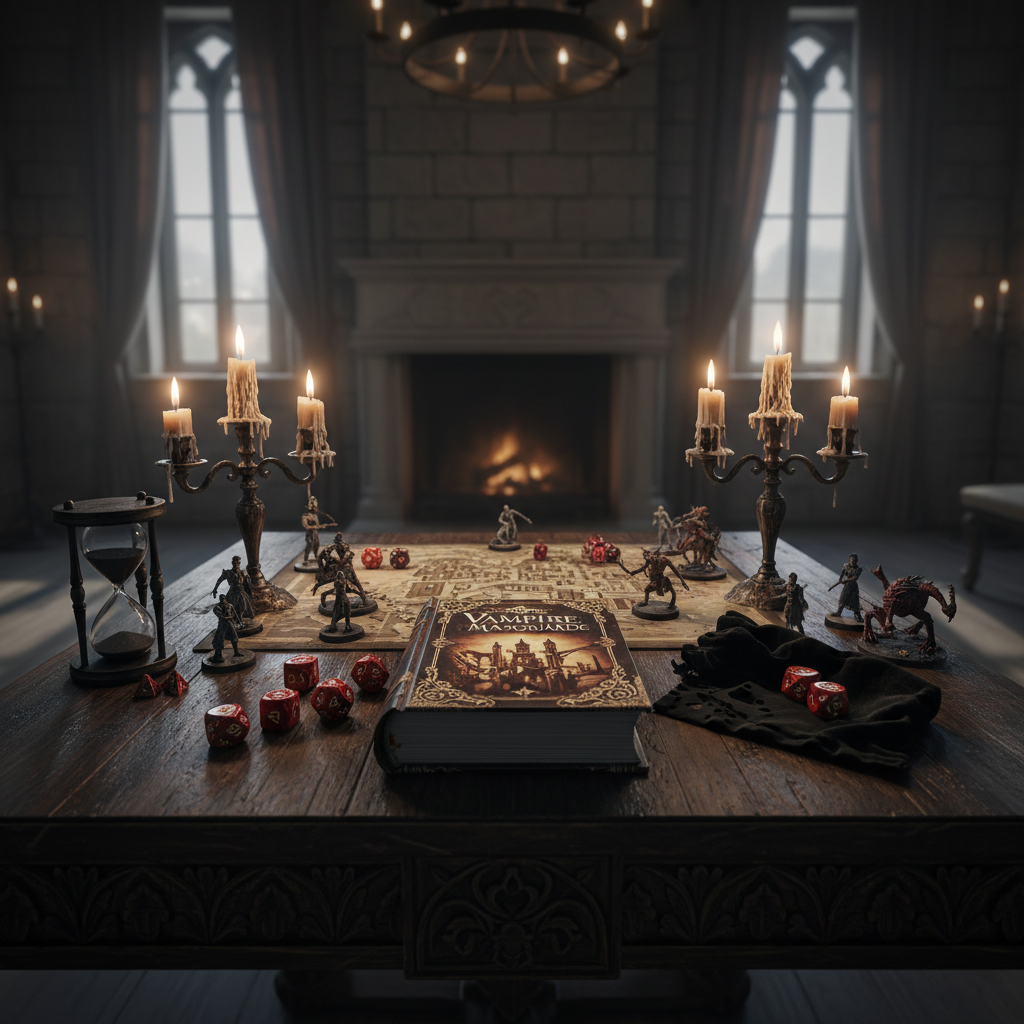
How White Wolf's 1991 tabletop RPG redefined what it meant to play a monster — and spawned a franchise that endures 35 years later.
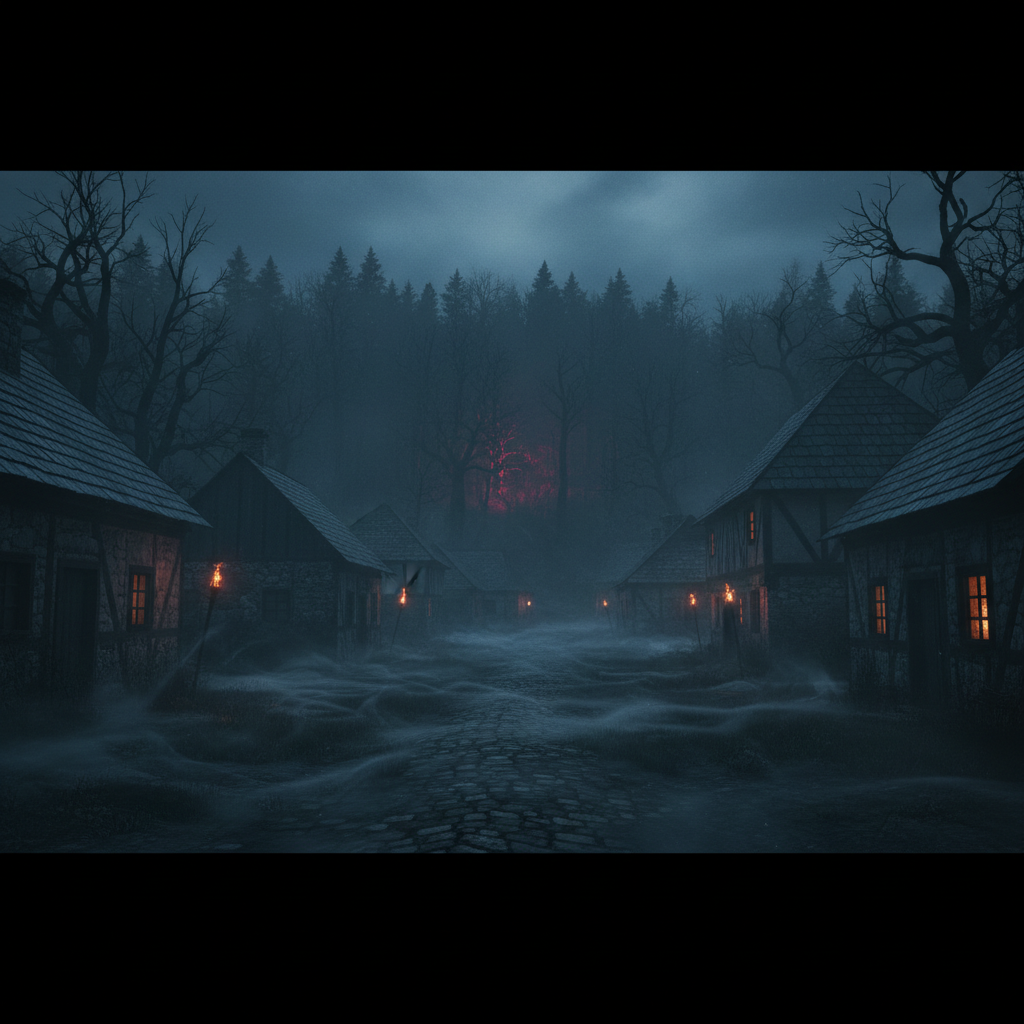
Long before Dracula, Romanian villages lived in fear of the strigoi — restless dead who fed on the living. An exploration of the folklore that started it all.
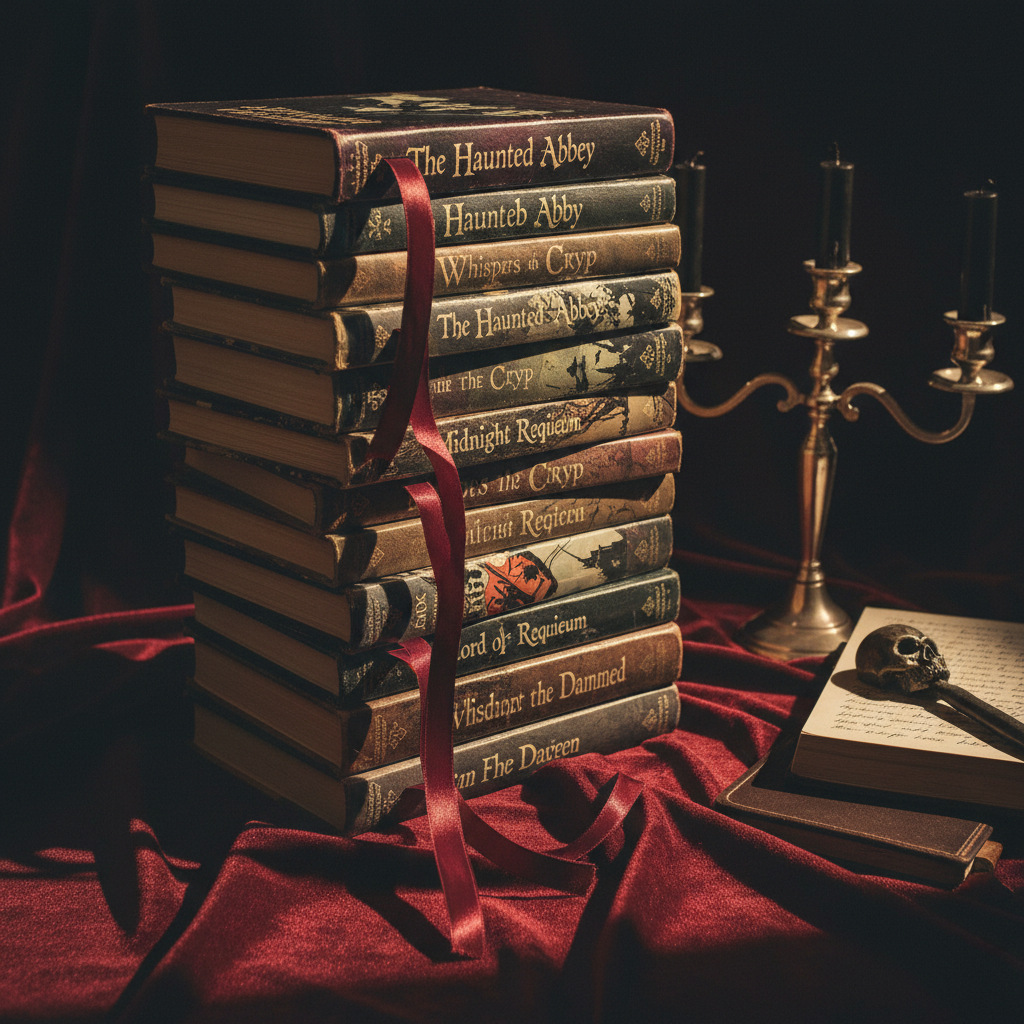
Half a century after its publication, Rice's debut novel continues to define how we imagine vampire consciousness, grief, and immortality.

From the Slavic upir to the Filipino manananggal and the Chinese jiangshi — every culture on earth has its own blood-drinking monster. Here is the definitive guide.

From Nosferatu's shadow-drenched expressionism to the visceral dread of Let the Right One In — the essential vampire films every horror devotee must see.

Never played a tabletop RPG before? This step-by-step guide covers clans, disciplines, the Masquerade itself, and everything you need to run your first chronicle.

Centuries before Bram Stoker, Slavic peasants buried their dead face-down and drove stakes through their hearts. The folklore behind the world's most enduring monster.

Why do pointed arches, gargoyles, and ribbed vaults feel so inherently sinister? A history of gothic architecture and its grip on the horror imagination.
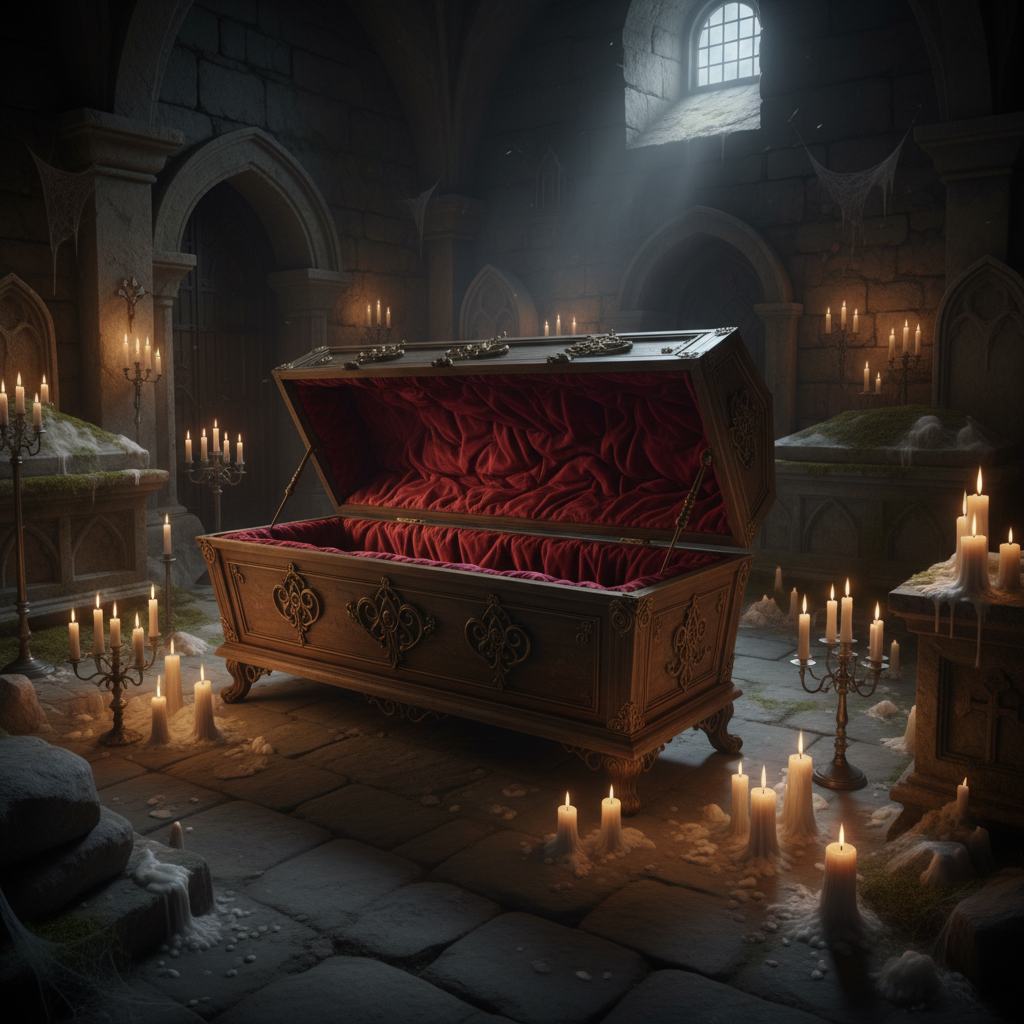
From coffins filled with native soil to crypts sealed with holy symbols, every culture that feared the vampire also developed elaborate theories about where it hid when the sun rose. A deep dive into the folklore of undead dormancy.
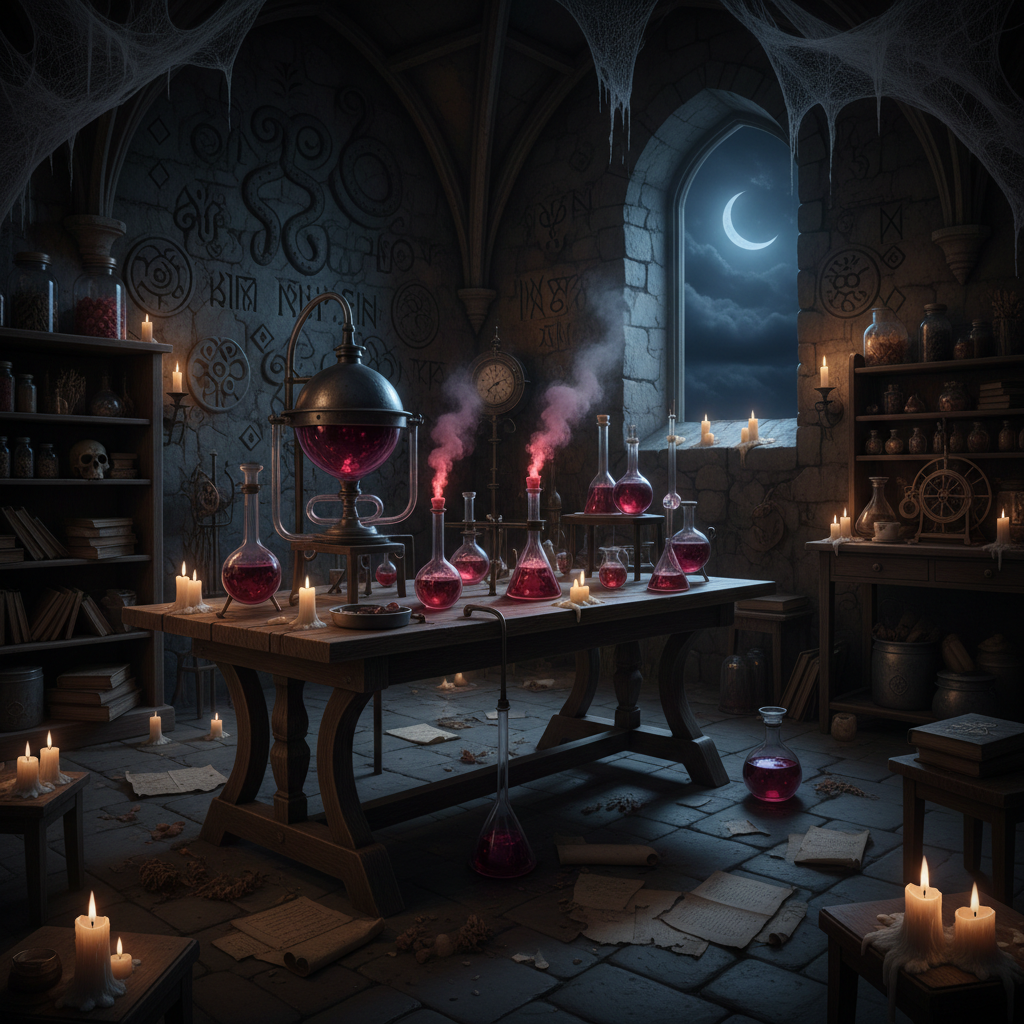
Long before Stoker, alchemists and occultists treated blood as the seat of the soul and the key to immortality. Tracing the esoteric roots of vampire mythology through Paracelsus, Hermeticism, and the dark arts of early modern Europe.
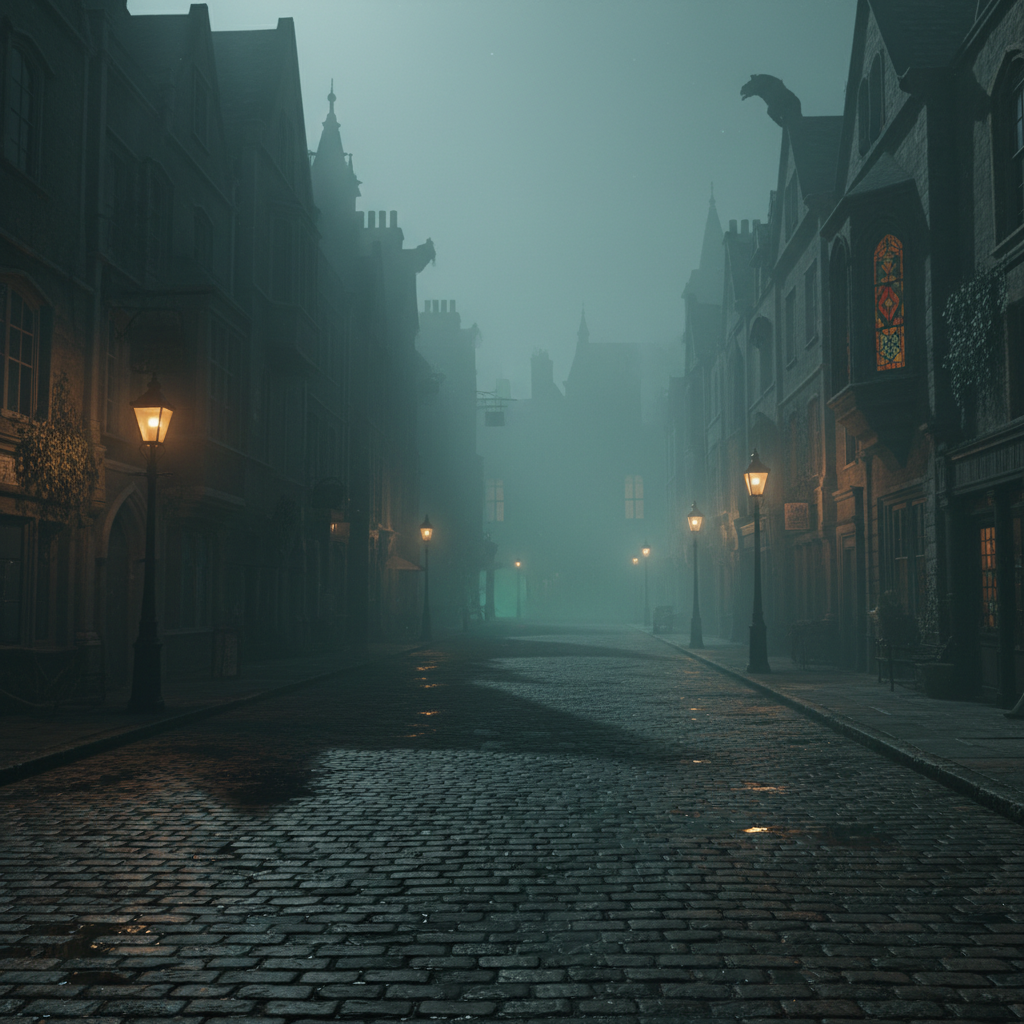
The smog-choked streets of 1880s London gave birth to Dracula, Jekyll and Hyde, and Dorian Gray in the same decade. Exploring why the Victorian city was the perfect incubator for gothic horror — and what that says about the anxieties of the age.
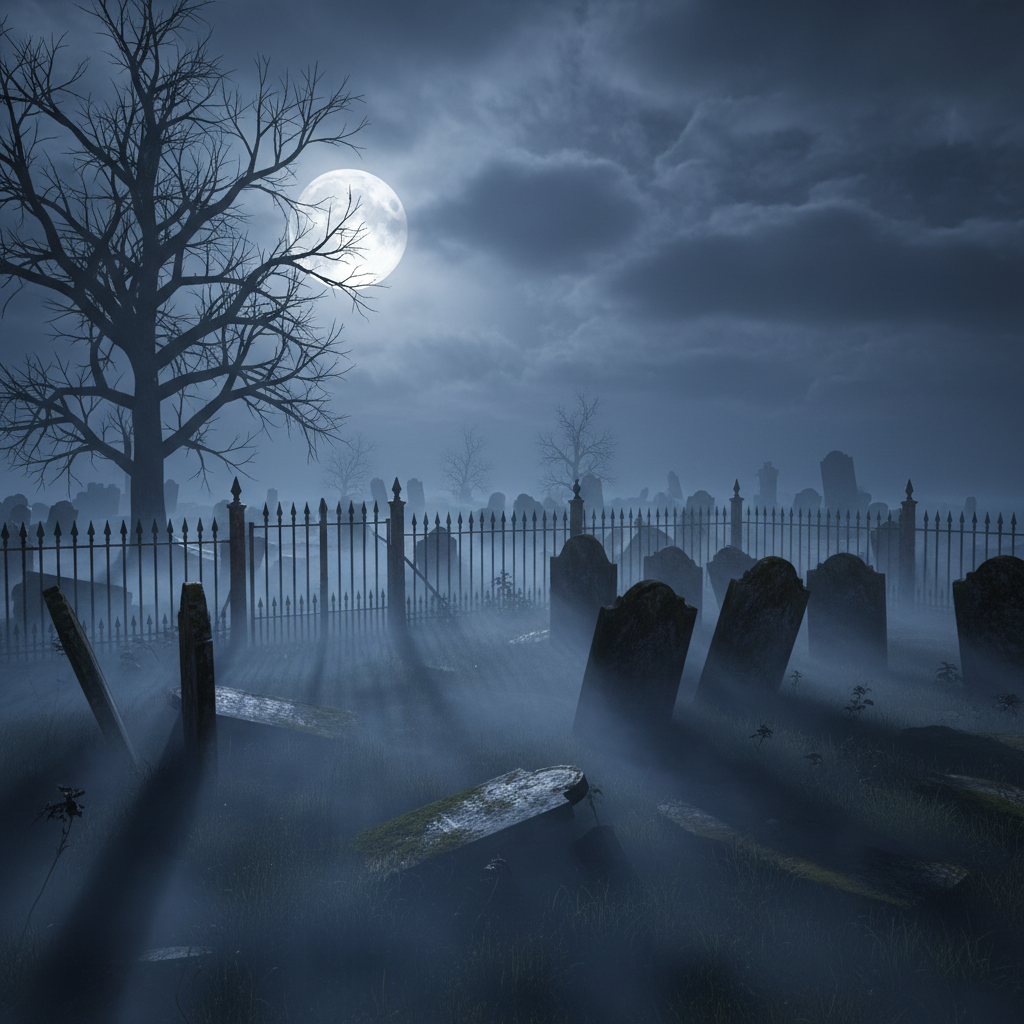
Across centuries and continents, communities developed specific burial rituals designed to keep the dead from rising. Decapitation, iron nails, face-down interment, and the hawthorn stake — a comprehensive guide to the folklore of vampire prevention.
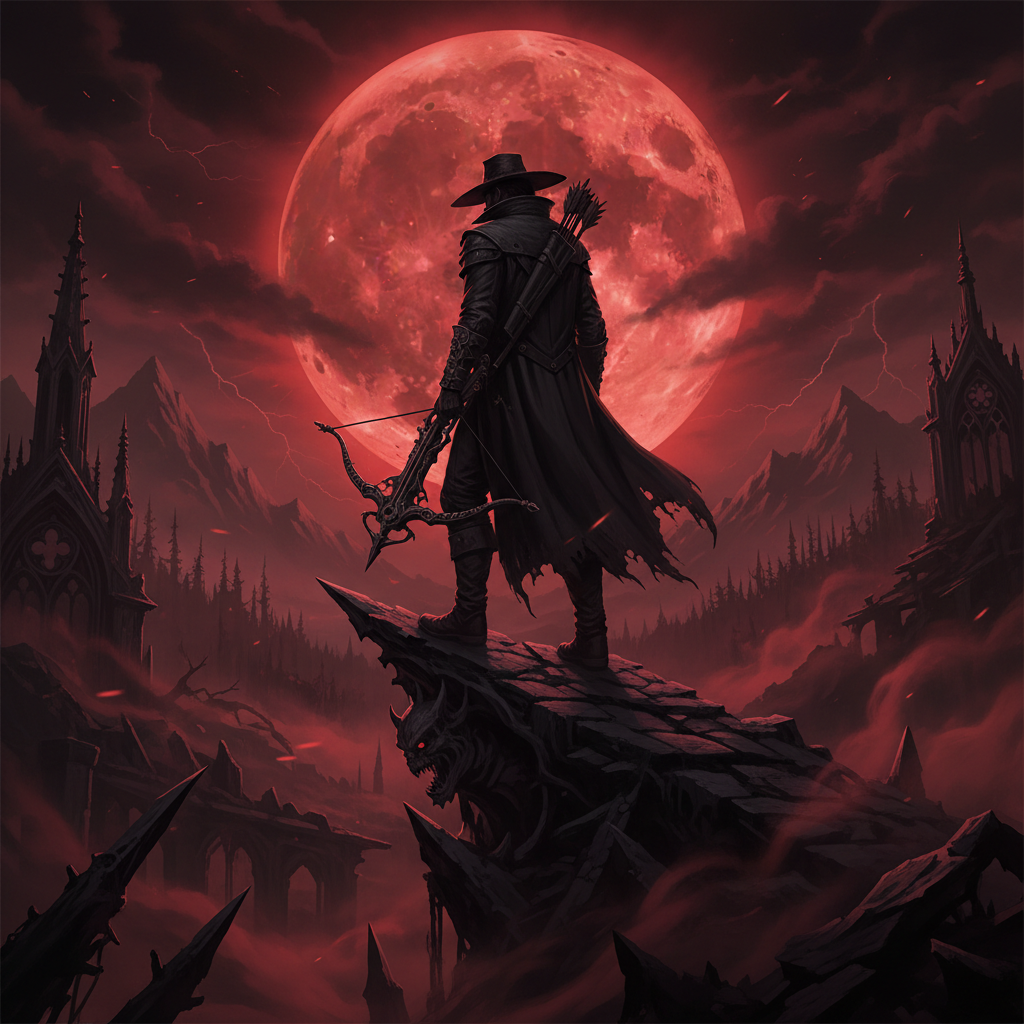
From Simon Belmont's whip to Geralt's silver sword, the vampire hunter is one of gaming's most enduring archetypes. A survey of how games have reimagined the hunter across four decades — and what makes the best ones so compelling.
The vampire has always been a creature of privilege — castle-dwelling, centuries-old, feeding on the powerless. Examining how gothic fiction uses the vampire as a vehicle for class anxiety, colonial fear, and the terror of inherited power.
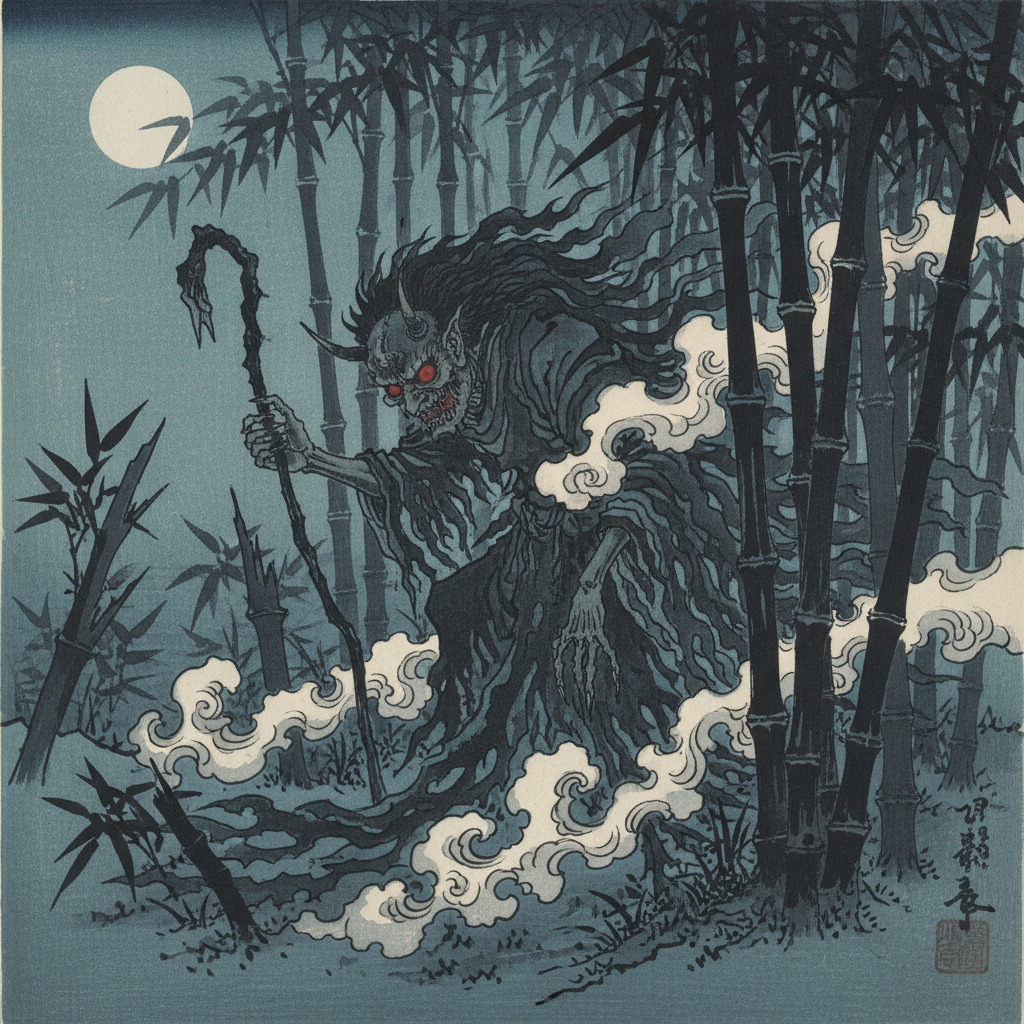
The West does not hold a monopoly on the undead. From the hopping jiangshi of Chinese folklore to the flying head of the Malay penanggalan, Asia has its own rich and terrifying tradition of blood-drinking monsters — and they predate Dracula by centuries.
The sparkle era divided readers — but it also sparked a renaissance. From Justin Cronin's The Passage to Paul Tremblay's A Head Full of Ghosts, a survey of how literary vampire fiction has evolved, darkened, and grown stranger in the years since Meyer.
When Bauhaus recorded their nine-minute dirge in 1979, they accidentally invented a genre. Tracing the musical lineage of gothic rock — from post-punk origins through Sisters of Mercy, The Cure, and into the darkwave and black metal scenes that carry the torch today.
Before it was Dracula's homeland, Transylvania was a contested borderland of empires, faiths, and languages. A journey through the actual history of the region — its Saxon fortresses, Ottoman sieges, and the real castles that inspired Stoker's imagination.
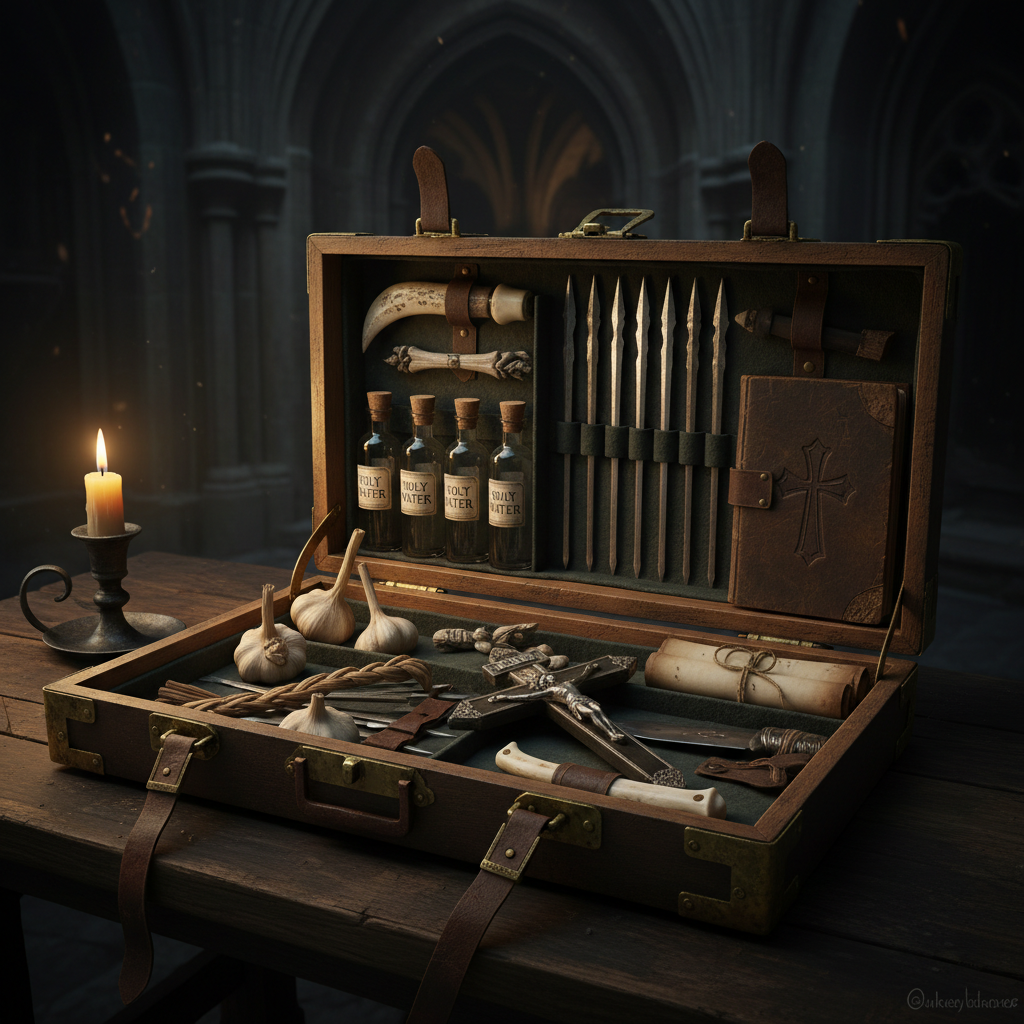
Holy water, hawthorn stakes, garlic wreaths, silver mirrors, and consecrated earth — the vampire hunter's arsenal was as elaborate as it was specific. A deep look at the folk logic behind each weapon, and why communities believed these particular objects held power over the undead.
Why does the vampire recoil from the crucifix? The answer runs deeper than Christian symbolism — it touches on ancient ideas about purity, liminality, and the power of consecrated space. Tracing the theological and folkloric roots of the vampire's sacred aversion.
From Dracula's silent dinner with Jonathan Harker to the decadent salons of Anne Rice's Lestat, the vampire feast is one of gothic fiction's most charged scenes. Examining how the banquet table becomes a stage for power, seduction, and the inversion of domestic ritual.
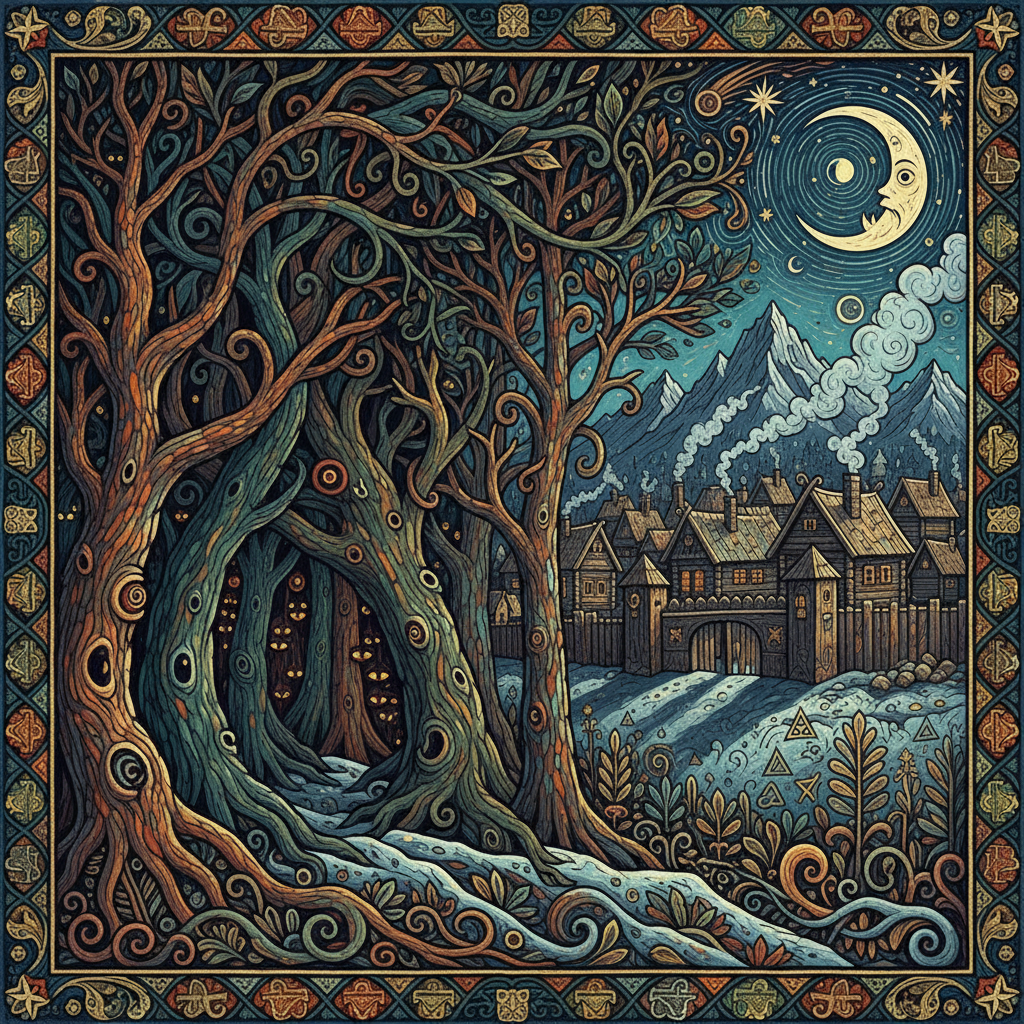
Long before Bram Stoker set pen to paper, Slavic and Balkan communities lived in genuine fear of the undead. A comprehensive survey of the strigoi, upir, vrykolakas, and their kin — the regional variants that gave the world its most enduring monster.
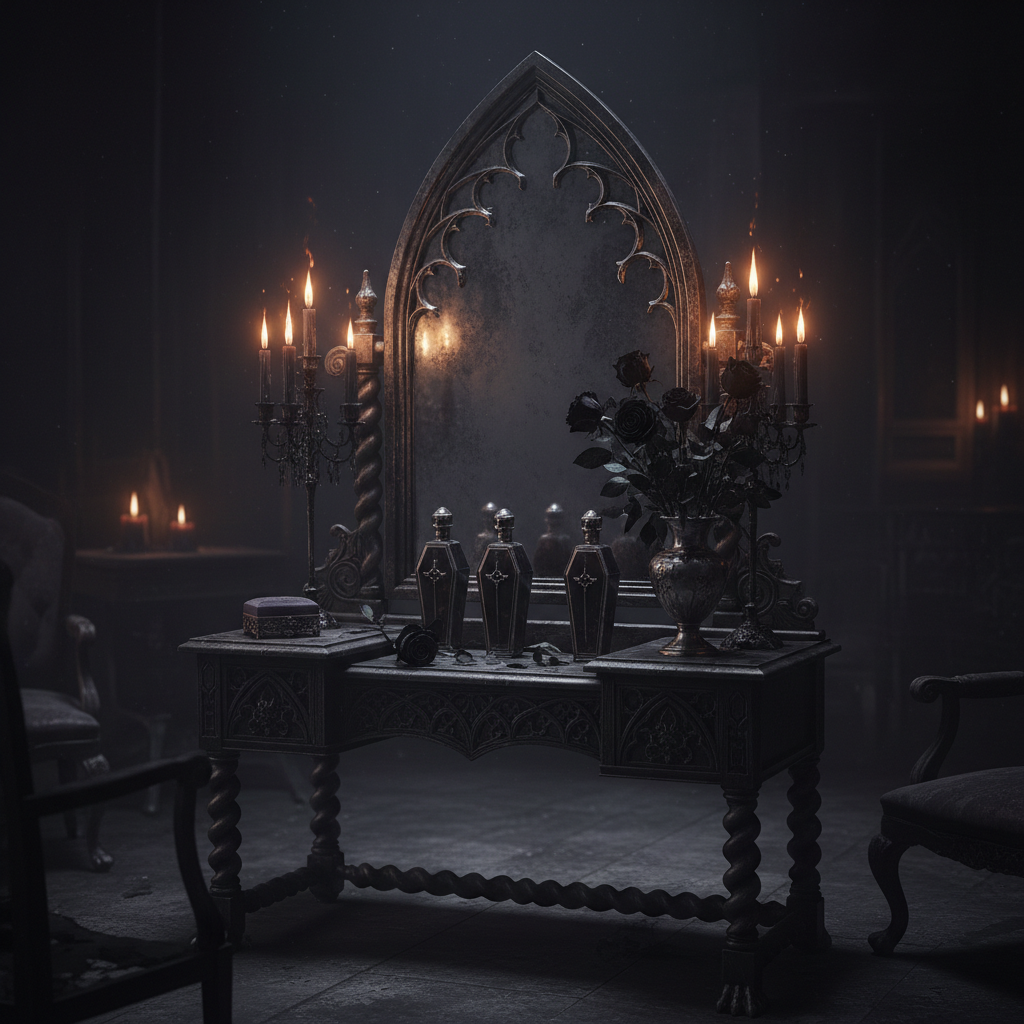
The vampire is the only monster we want to be bitten by. From Carmilla's languid embrace to Lestat's rock-star charisma, gothic fiction has always made the predator irresistible. Unpacking the erotic charge of the vampire and what it reveals about desire, danger, and death.
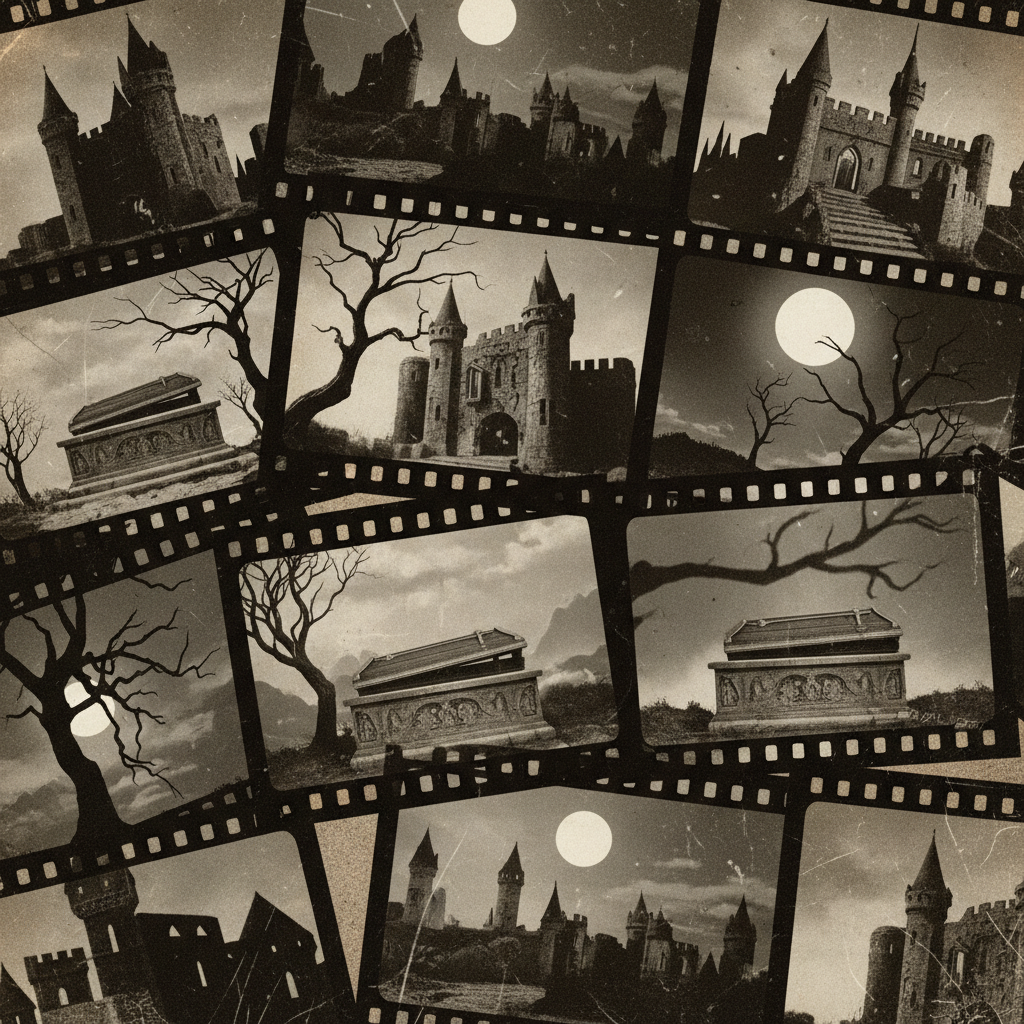
From Murnau's shadow-drenched Nosferatu in 1922 to Robert Eggers' visceral 2024 remake, vampire cinema has never stopped reinventing itself. A century-spanning survey of the genre's greatest films, its recurring obsessions, and the directors who pushed it into new darkness.
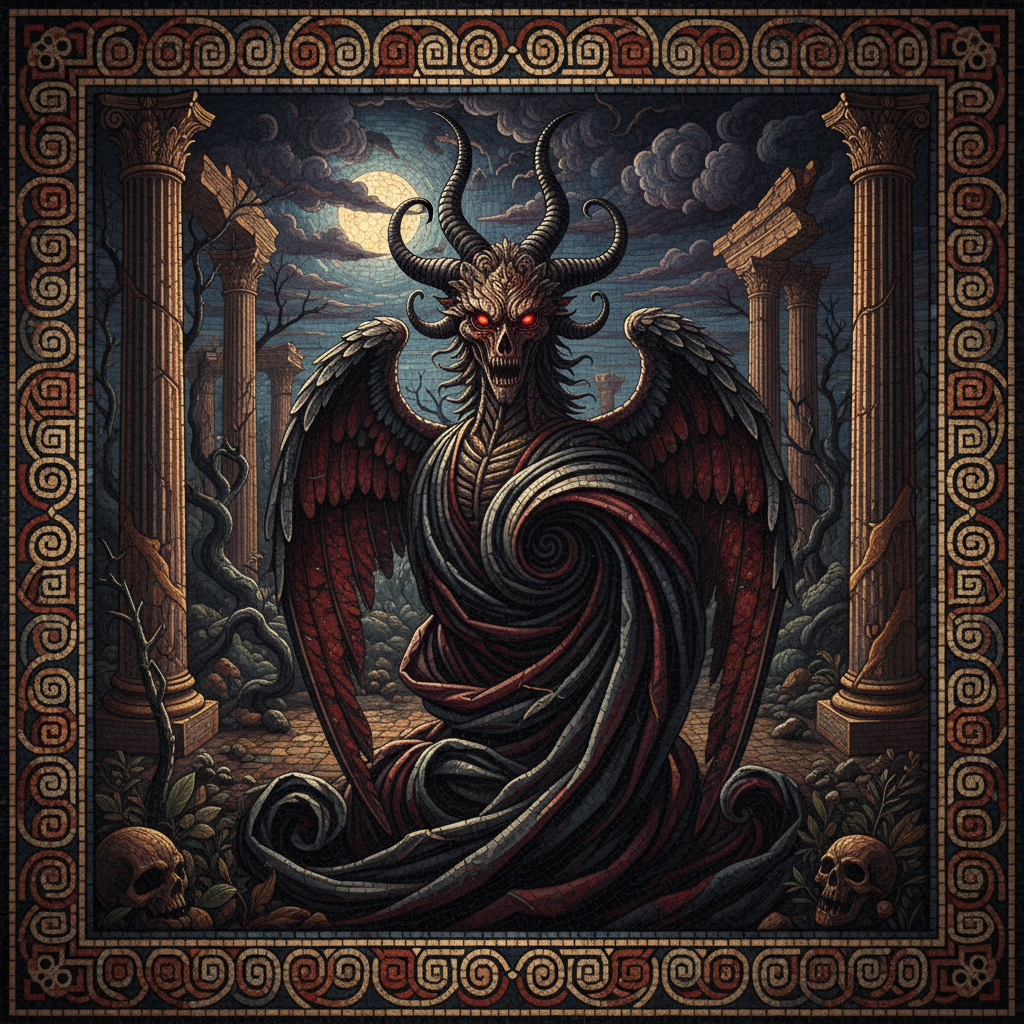
The vampire is not a medieval invention. Mesopotamian demons, Greek lamiae, Roman strix, and Egyptian blood-drinking spirits all predate the Eastern European folklore we know today. Tracing the vampire's lineage back to the very earliest written records of human civilisation.
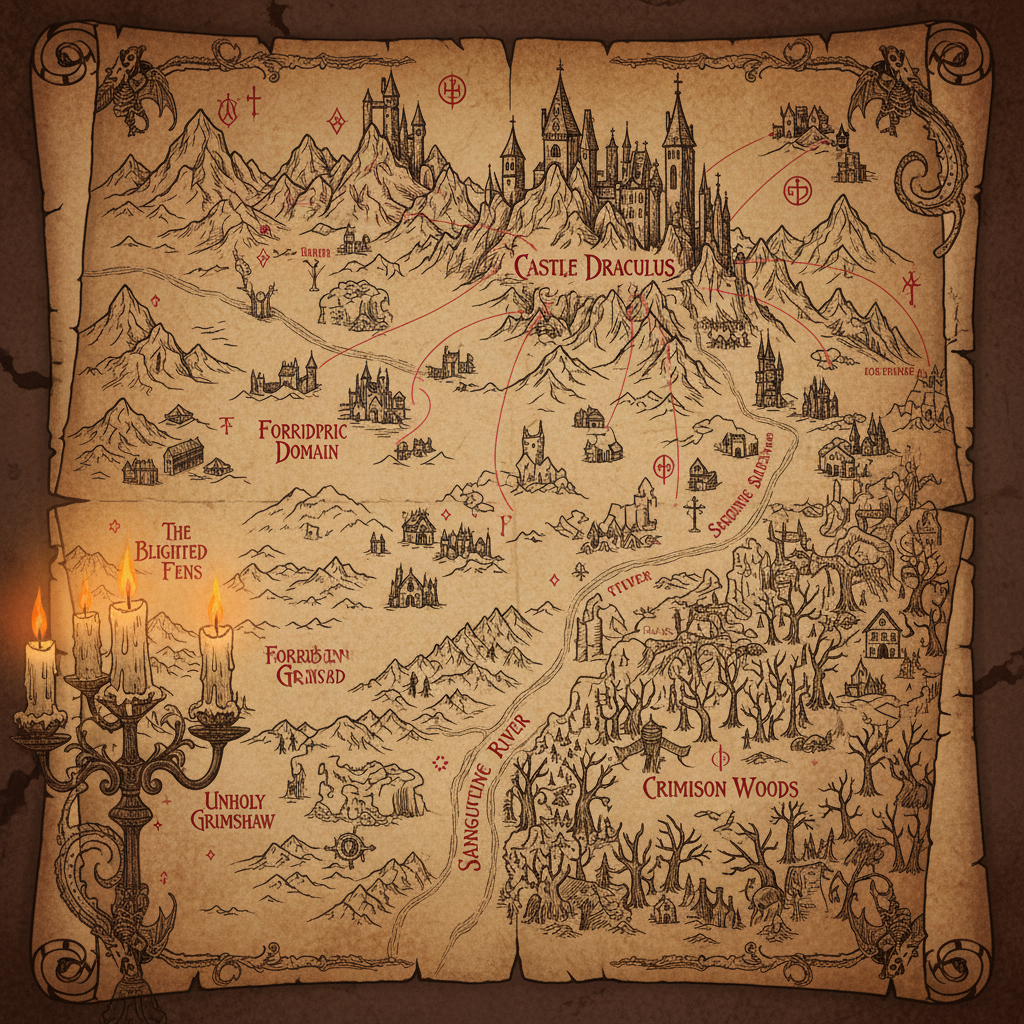
Gothic fiction is obsessed with place — the remote castle, the fog-bound moor, the labyrinthine city. Examining how vampire literature uses geography as a tool of dread, and why the journey toward the monster's lair is as terrifying as the monster itself.
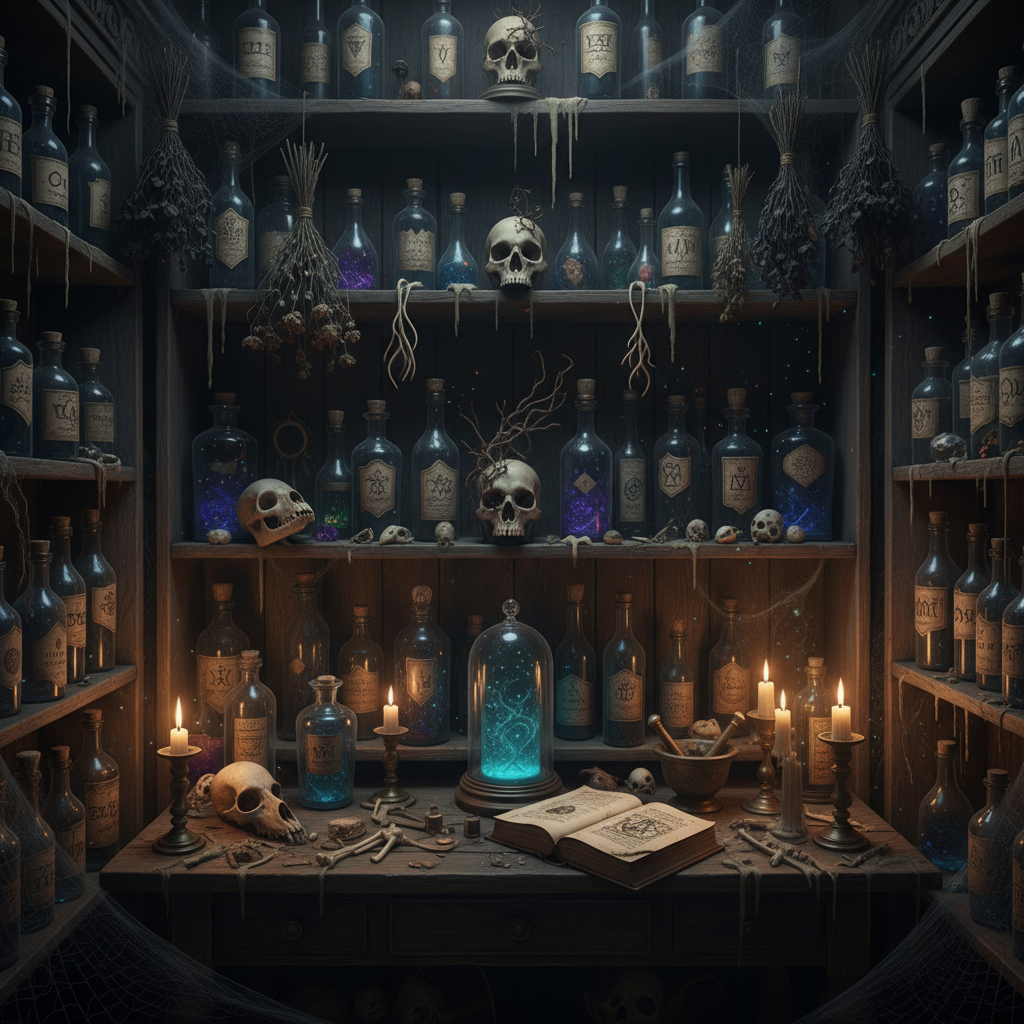
Every vampire weakness has a reason — rooted in folk medicine, religious belief, or pre-scientific theories about disease and contagion. Why garlic? Why running water? Why must you invite them in? A systematic examination of the logic behind the lore.
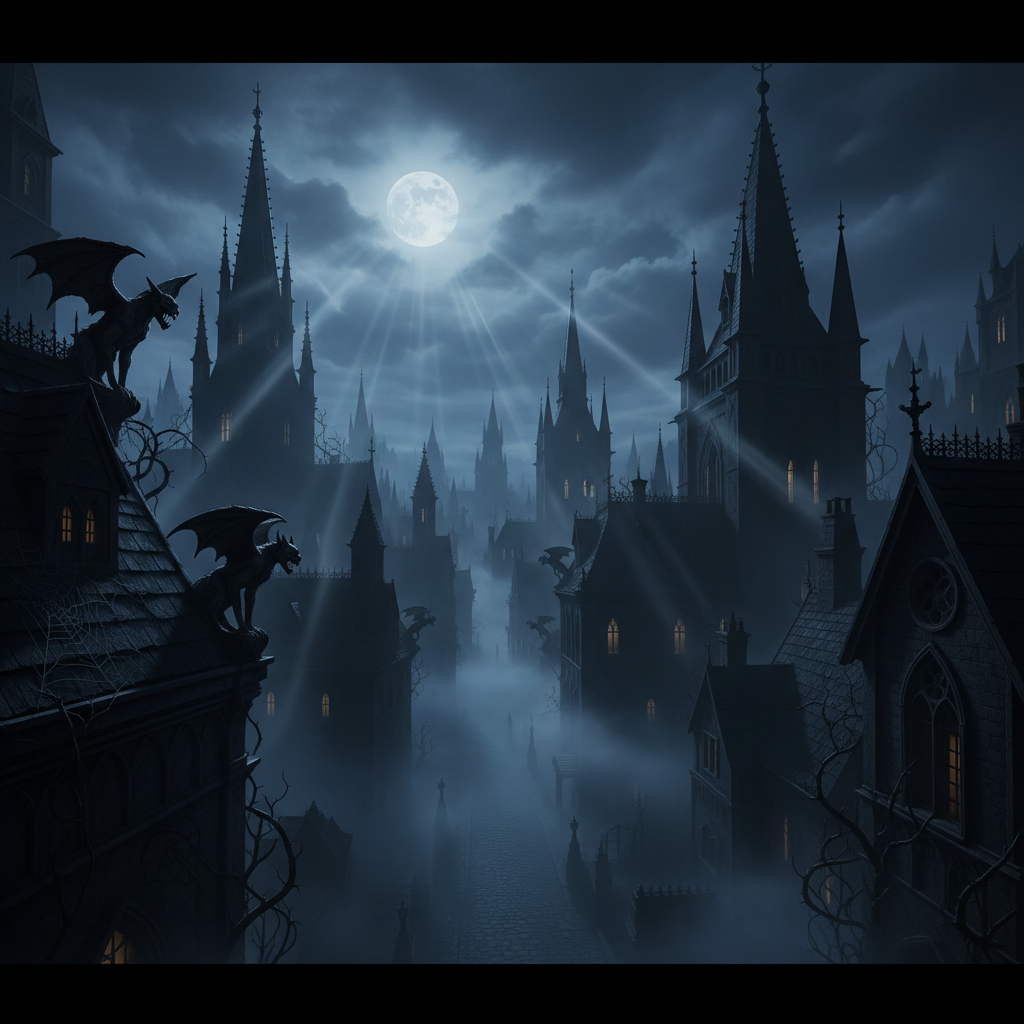
The vampire left the castle long ago. From the neon-lit streets of Vampire: The Masquerade to the rain-soaked alleys of Only Lovers Left Alive, the modern vampire is a creature of the city — navigating nightclubs, subway systems, and anonymous apartment blocks. How the urban setting transformed the myth.
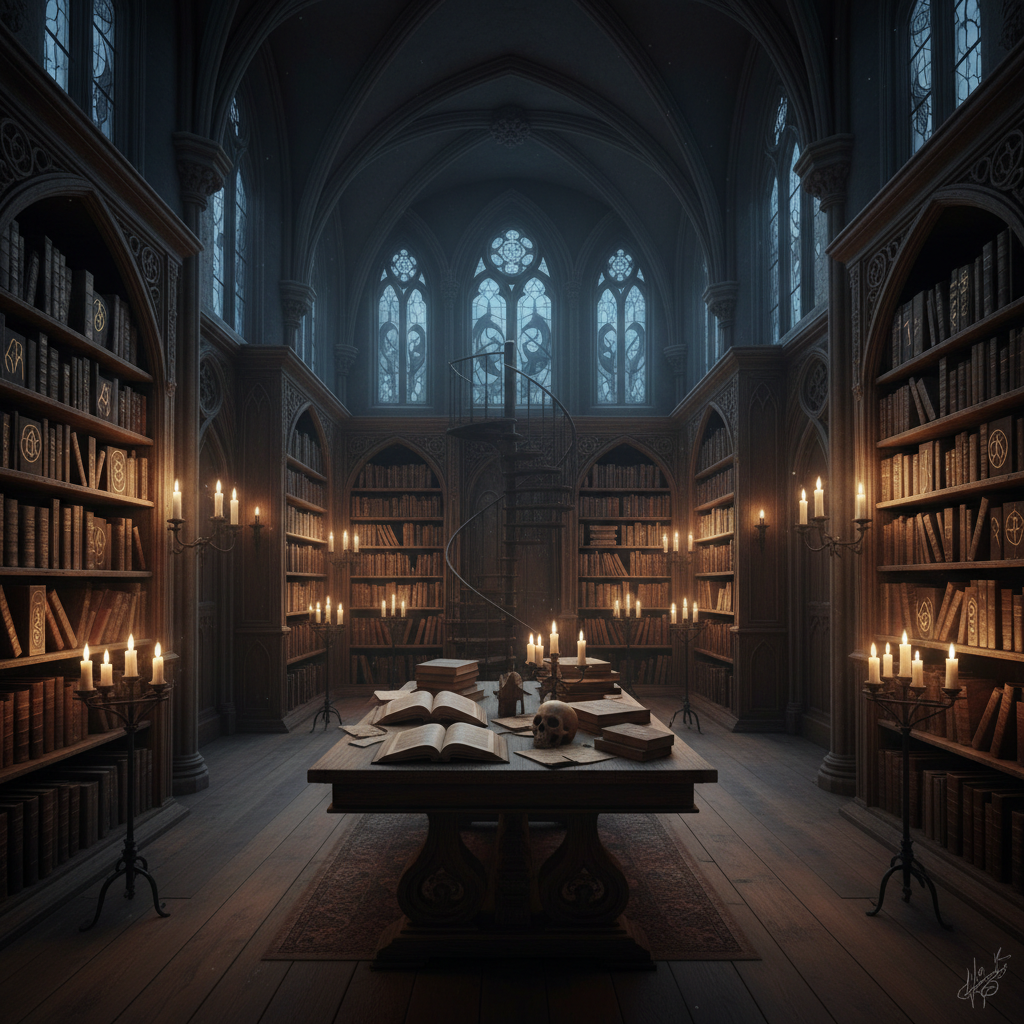
Every vampire tradition has its sacred texts — from the Malleus Maleficarum's treatment of the undead to the fictional grimoires of Anne Rice's universe. A survey of the real and imagined books that shaped how we understand vampires, and the authors who built entire mythologies from their pages.
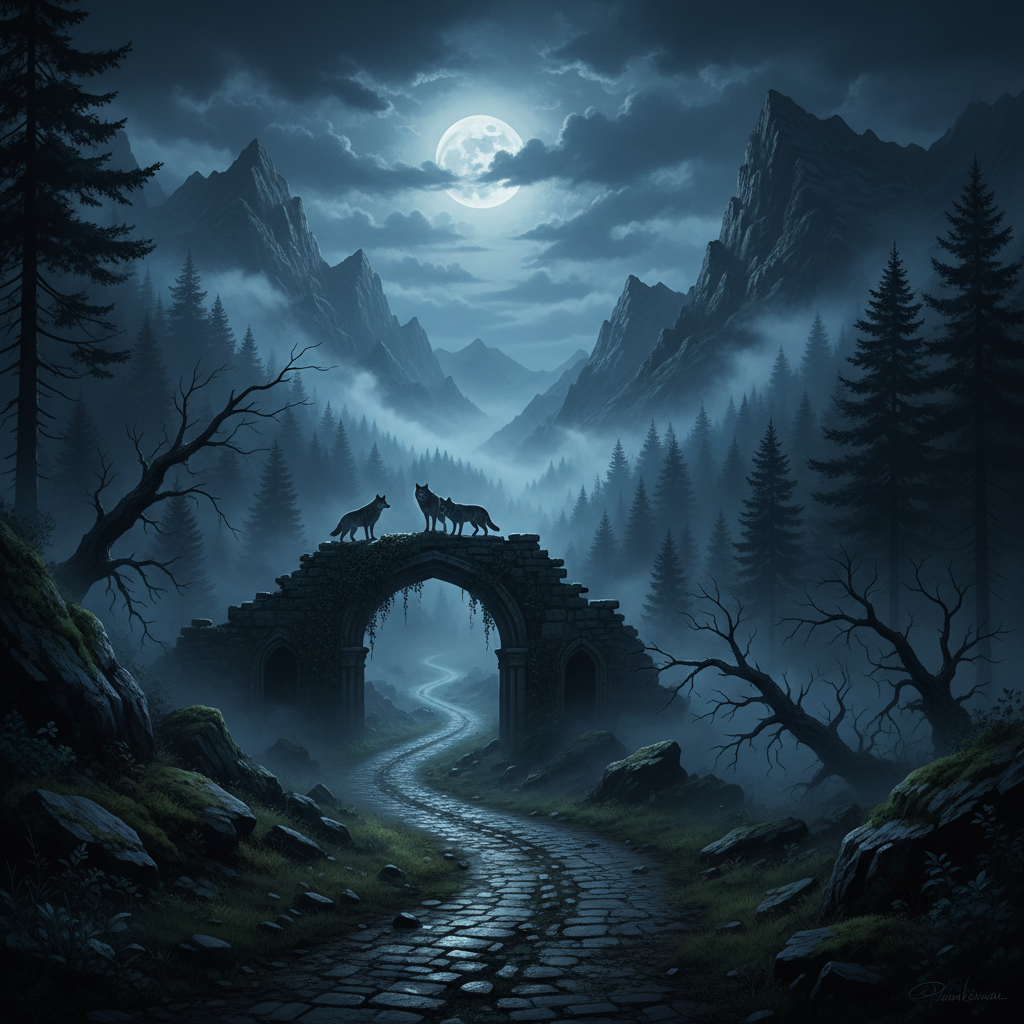
The Carpathian mountain range stretches across seven countries and has been a source of supernatural dread for centuries. Exploring why this remote, wolf-haunted landscape became the definitive setting for vampire mythology — and what the real villages, passes, and fortresses looked like to the travellers who feared them.
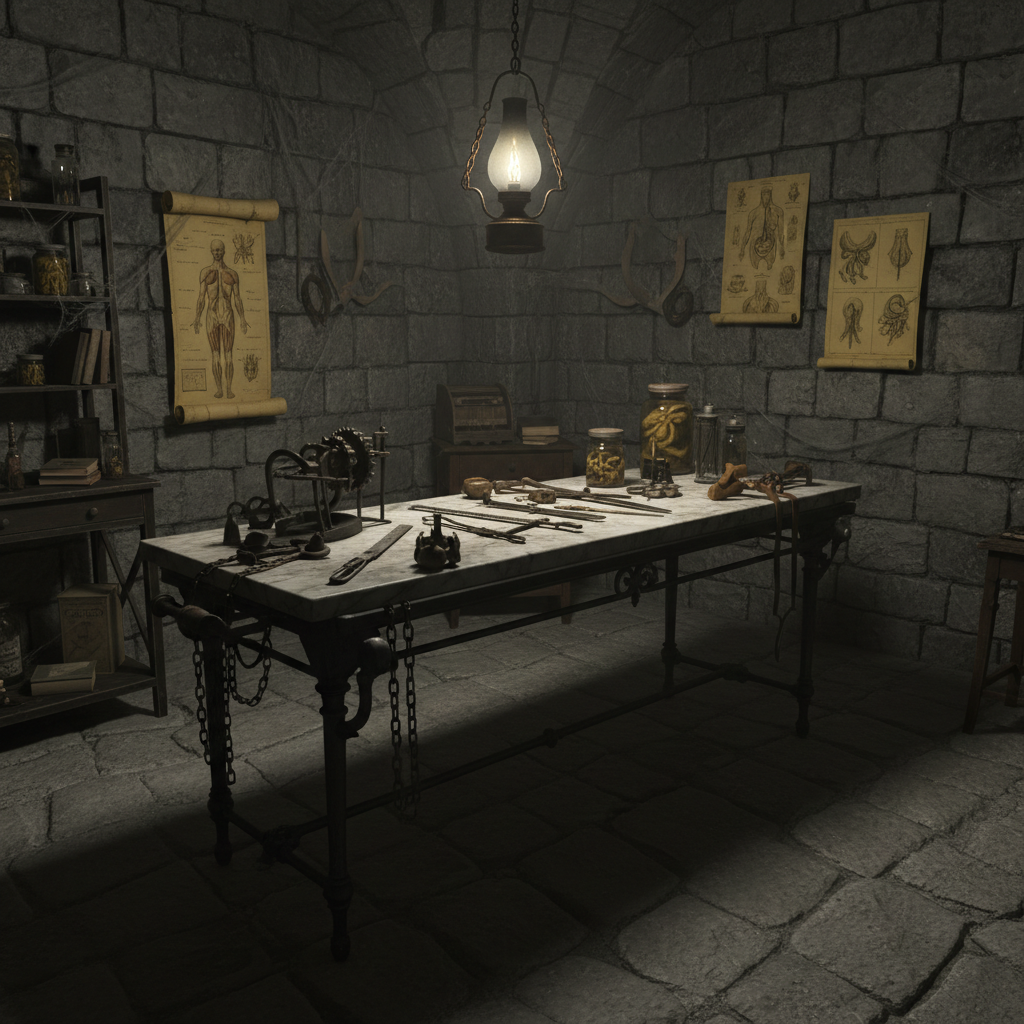
Bloated, ruddy-faced, with blood seeping from the mouth — the folkloric vampire looked nothing like the pale aristocrat of gothic fiction. Examining the exhumation records, medical reports, and folk accounts that described what a vampire's body actually looked like, and the pre-scientific theories that explained it.
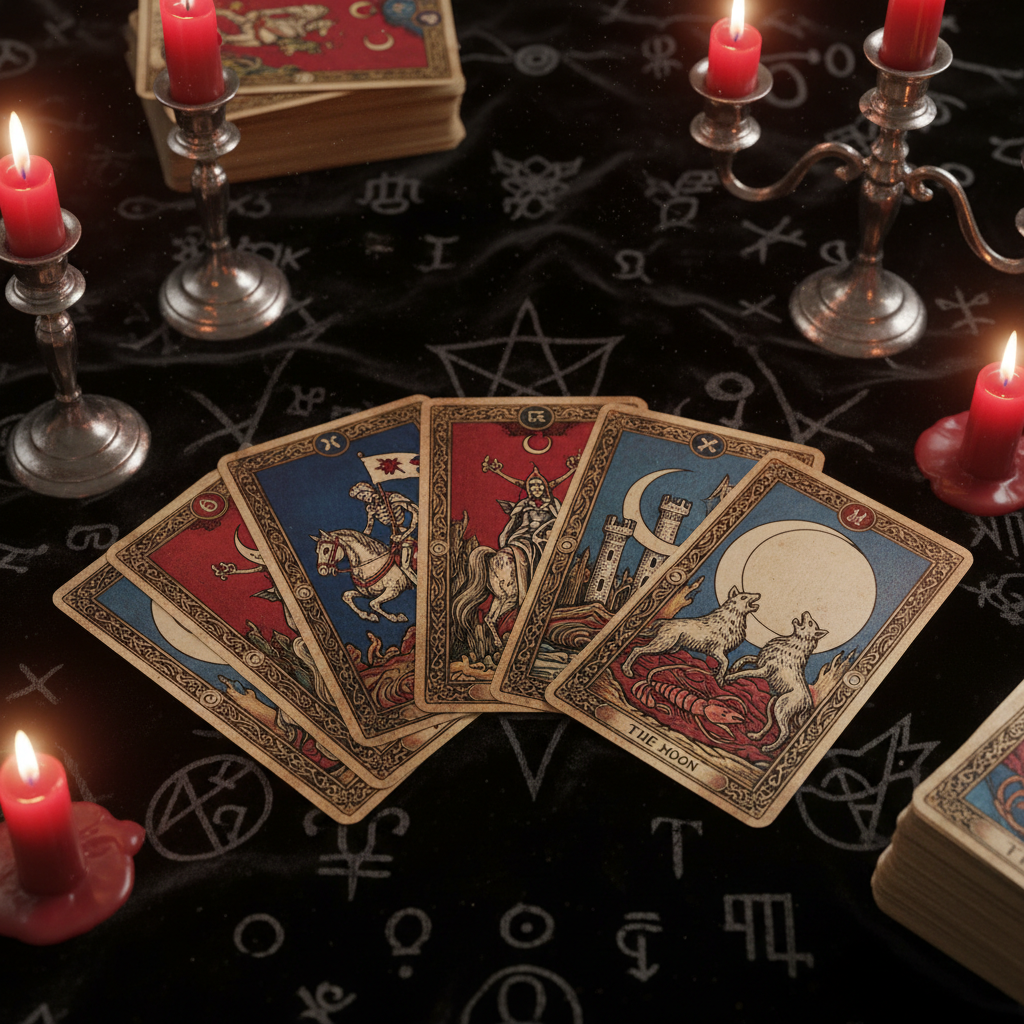
The vampire has always had a natural home in the occult imagination — a creature of forbidden knowledge, liminal existence, and transgressed boundaries. Tracing the vampire's presence in tarot decks, ceremonial magic, and the broader Western esoteric tradition from the 18th century to today's gothic tarot renaissance.
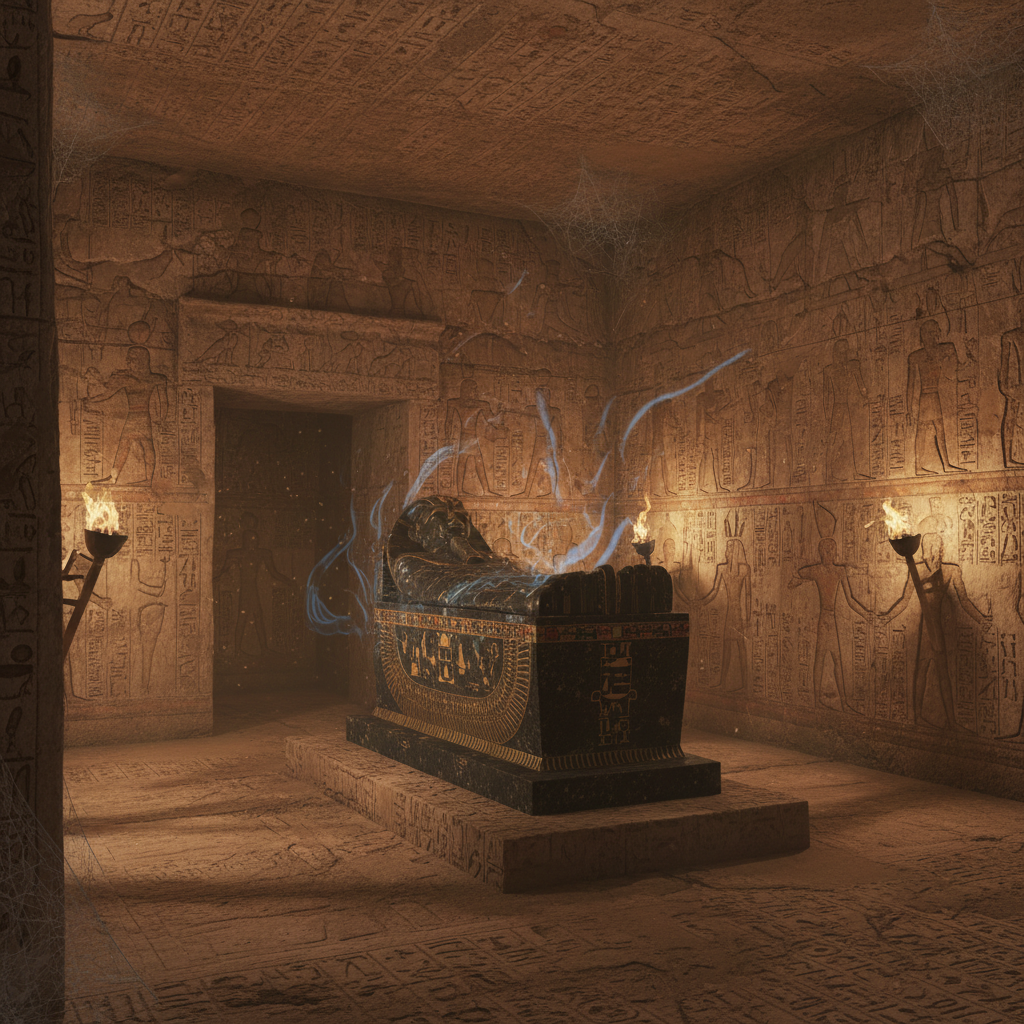
Ancient Egypt had its own tradition of dangerous, blood-hungry spirits — the khaibit shadow-soul, the restless akh, and the malevolent dead who could return to feed on the living. Examining the Egyptian roots of undead mythology and the surprising parallels with later European vampire folklore.
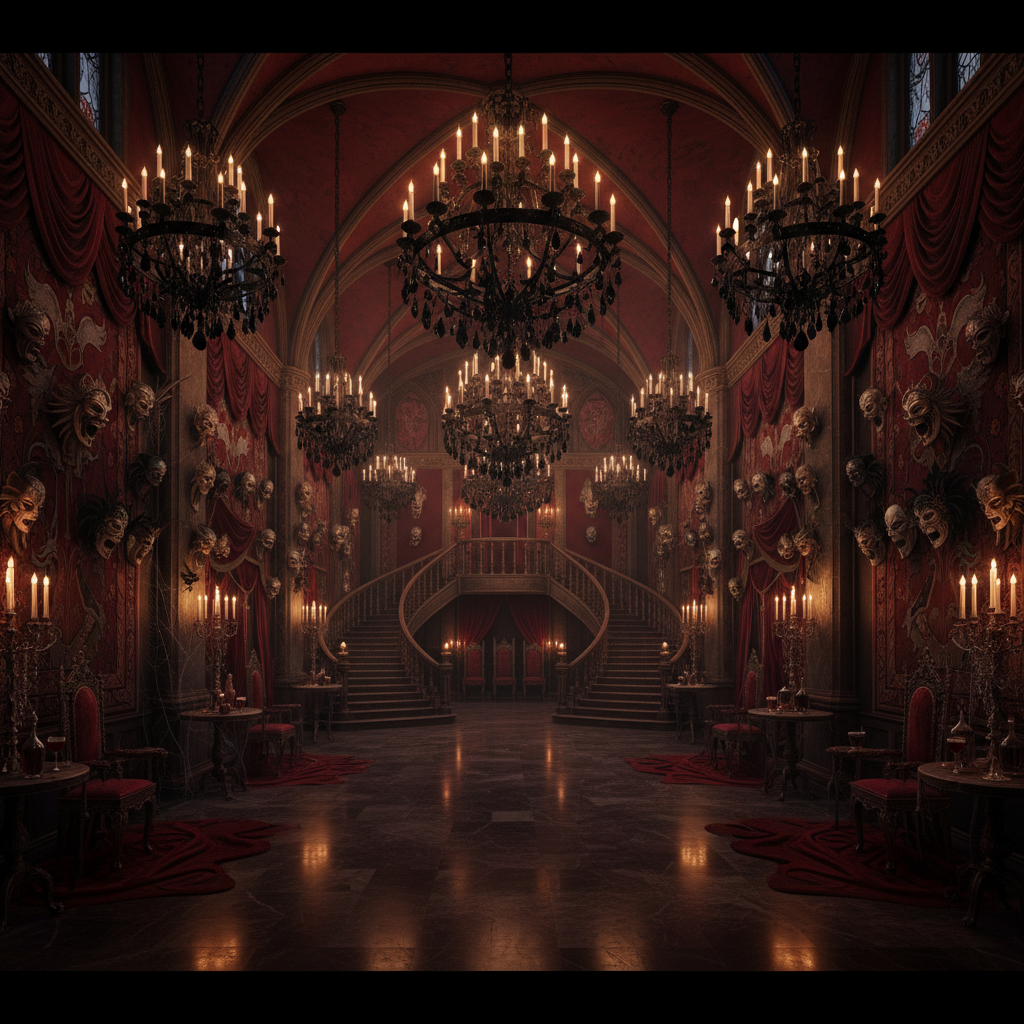
From New Orleans' vampire balls to London's Whitby Goth Weekend, the vampire community has built a rich tradition of real-world ritual and celebration. A guide to the masquerades, gatherings, and gothic events where the line between costume and identity deliberately blurs.
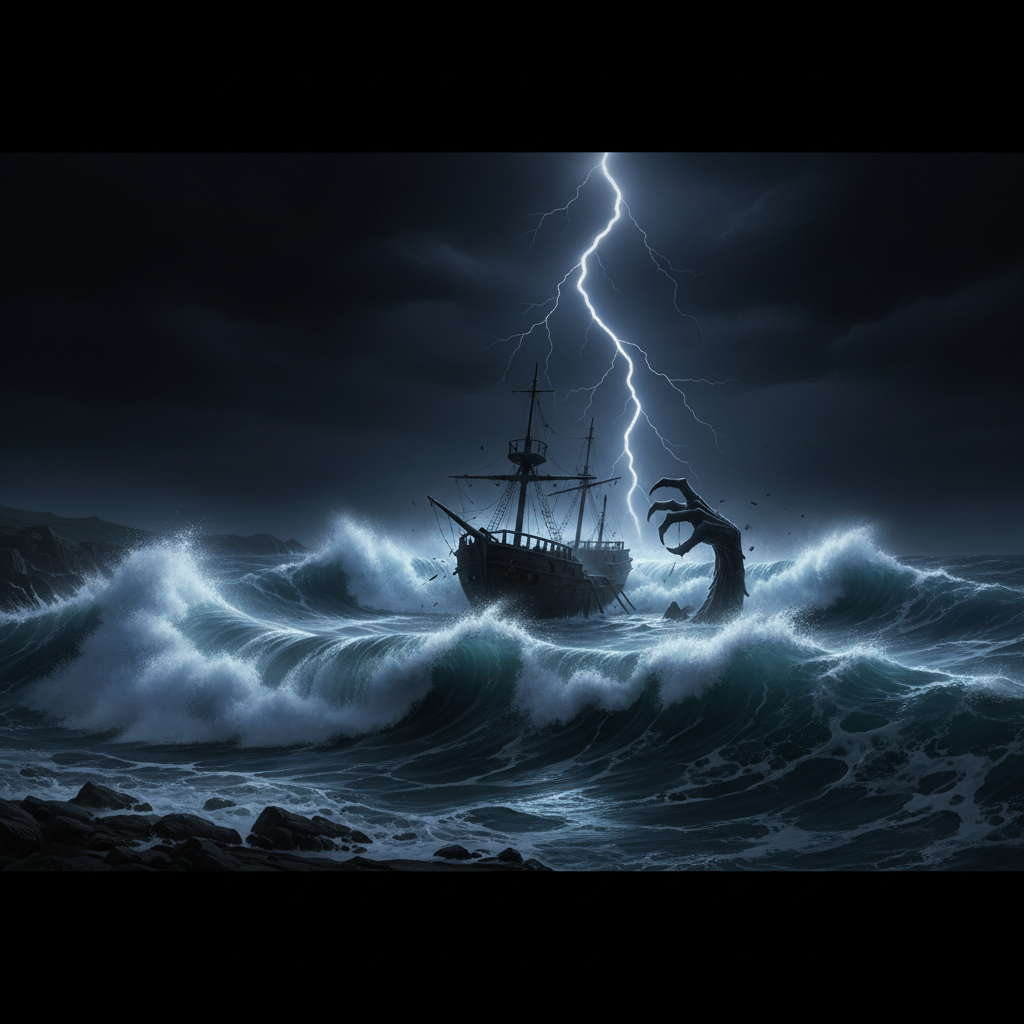
The chapter of Dracula told through the doomed ship's log is one of the most terrifying passages in all of gothic literature. Examining how Stoker uses the sea voyage as a crucible of dread — and how the Demeter episode connects to a long tradition of maritime horror from the Ancient Mariner to the Flying Dutchman.
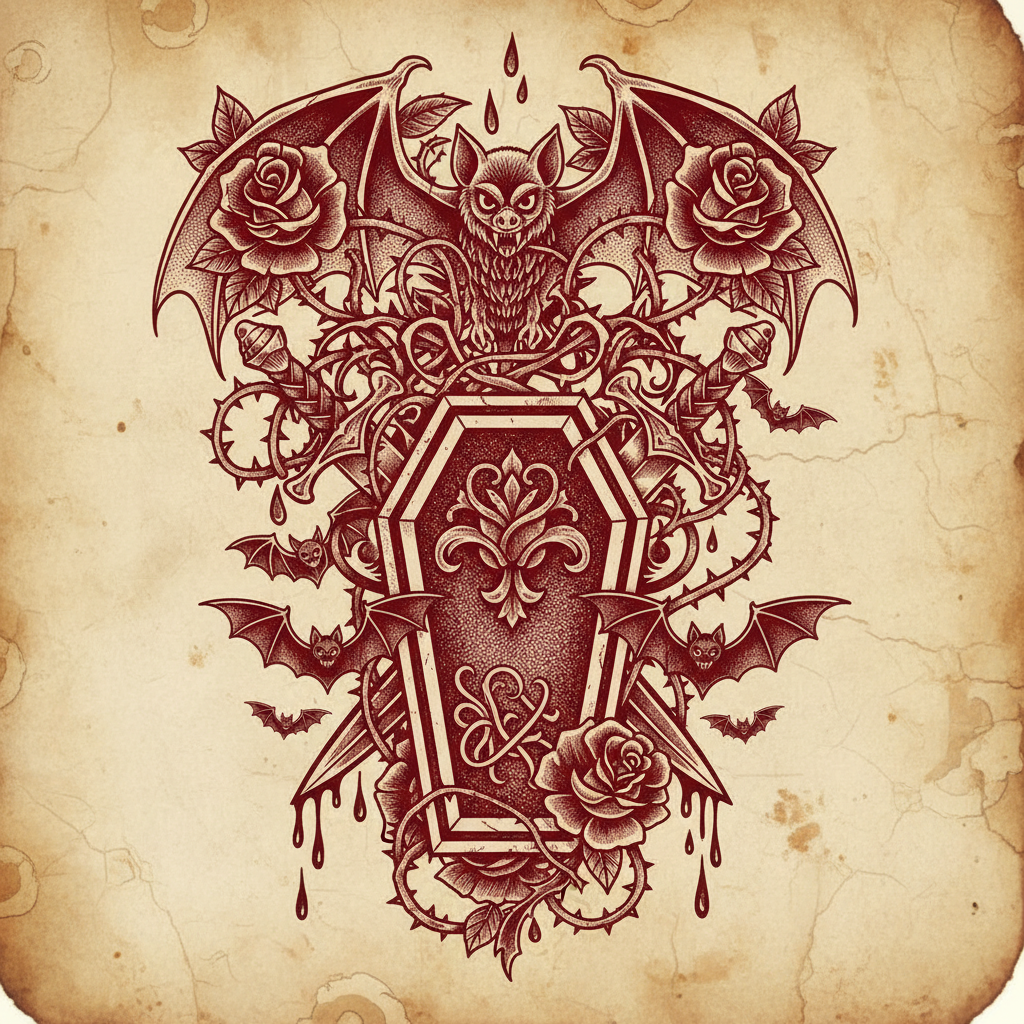
Bats, coffins, fangs, black roses, and bleeding moons — the iconography of vampire mythology has become one of the most enduring sources of tattoo art. Tracing the history of gothic body art from sailor flash to fine-line neo-traditional, and the artists who turned the undead into living skin.
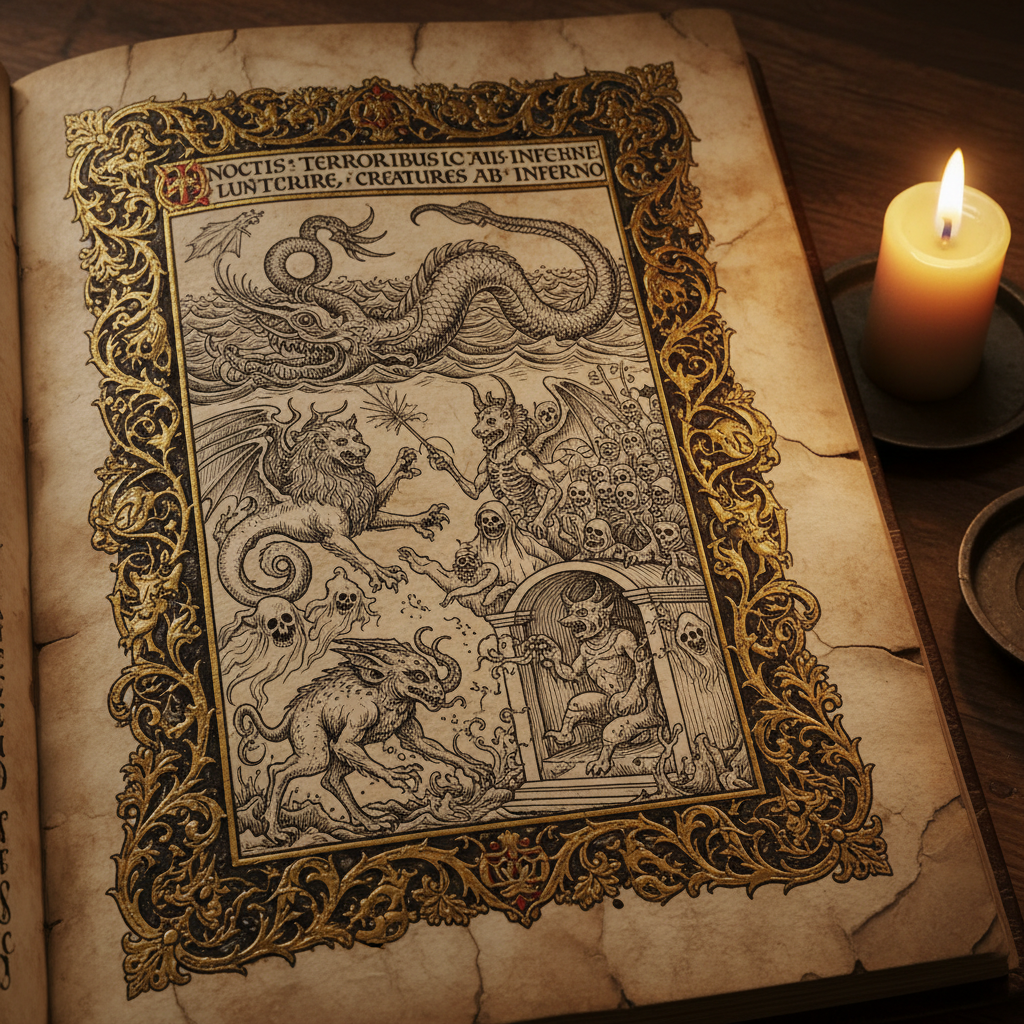
The earliest written accounts of vampire-like creatures appear in medieval chronicles, ecclesiastical records, and monastic manuscripts — often as sober reports of genuine community panic. A close reading of the primary sources: the Arnold Paole case, the Visum et Repertum, and the documents that turned folklore into official record.
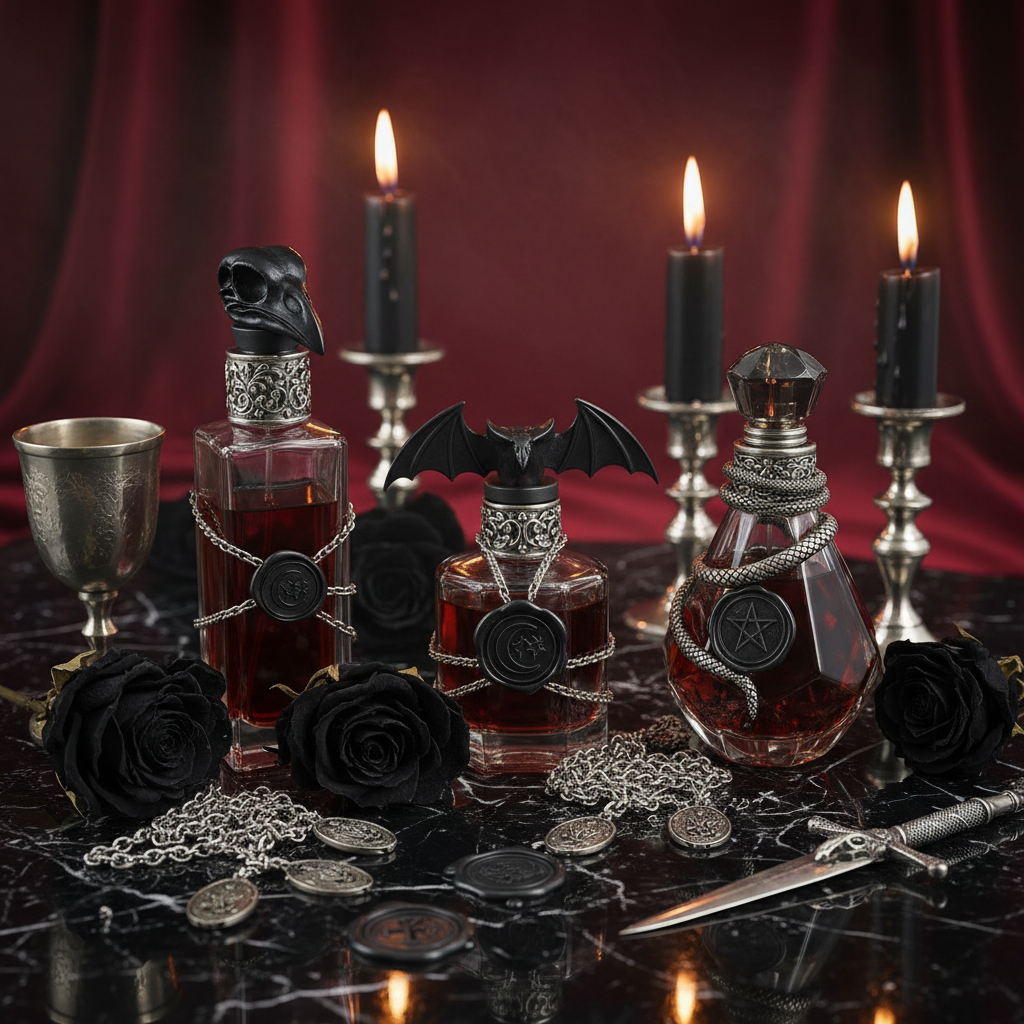
From Vivienne Westwood's punk-gothic collections to Alexander McQueen's skull-and-rose runway shows, high fashion has always had a vampire problem — and it loves it. Exploring how the vampire aesthetic has shaped everything from haute couture to streetwear, and why darkness never goes out of style.
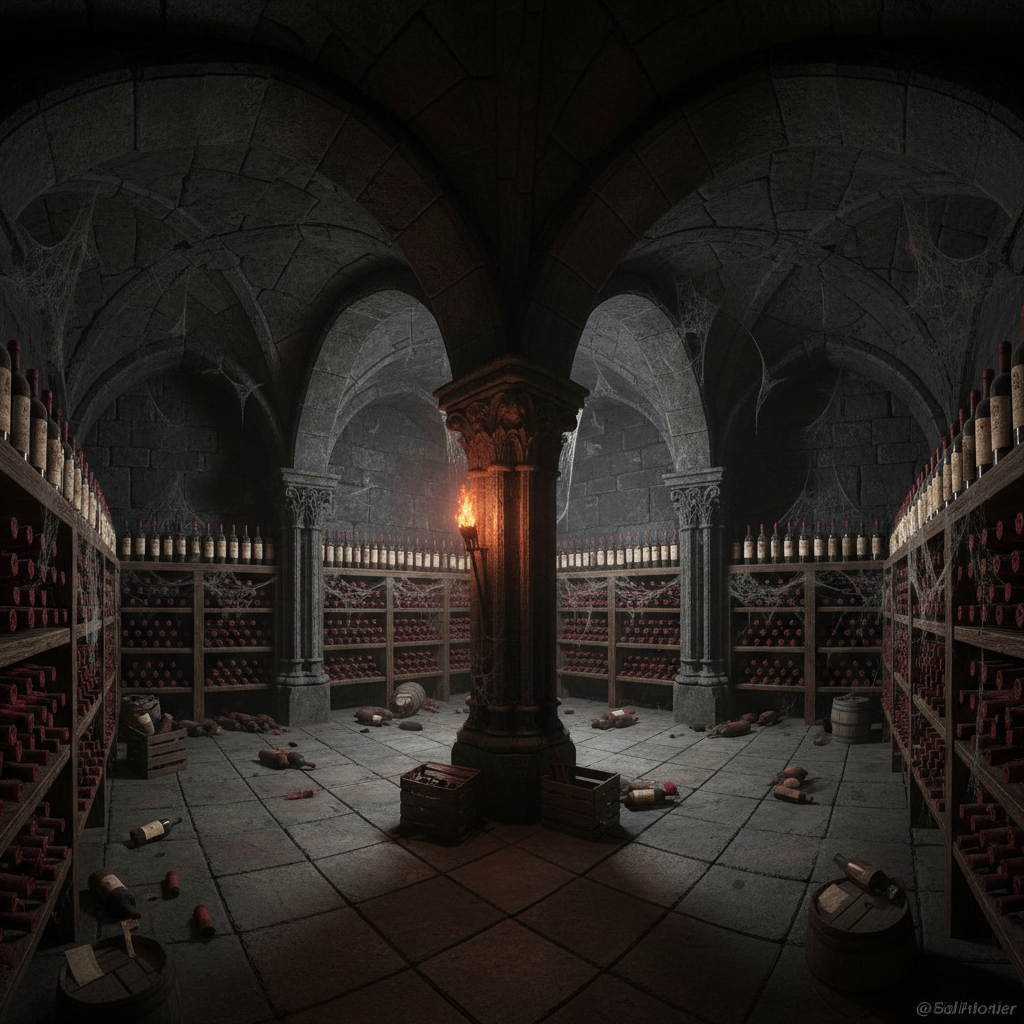
In folklore and fiction alike, the vampire's relationship with blood is never merely predatory — it is ceremonial, intimate, and charged with meaning. Tracing the ritual dimensions of the vampire's feeding act, from Slavic folk beliefs about blood as life-force to the decadent wine-and-blood symbolism of gothic literature.
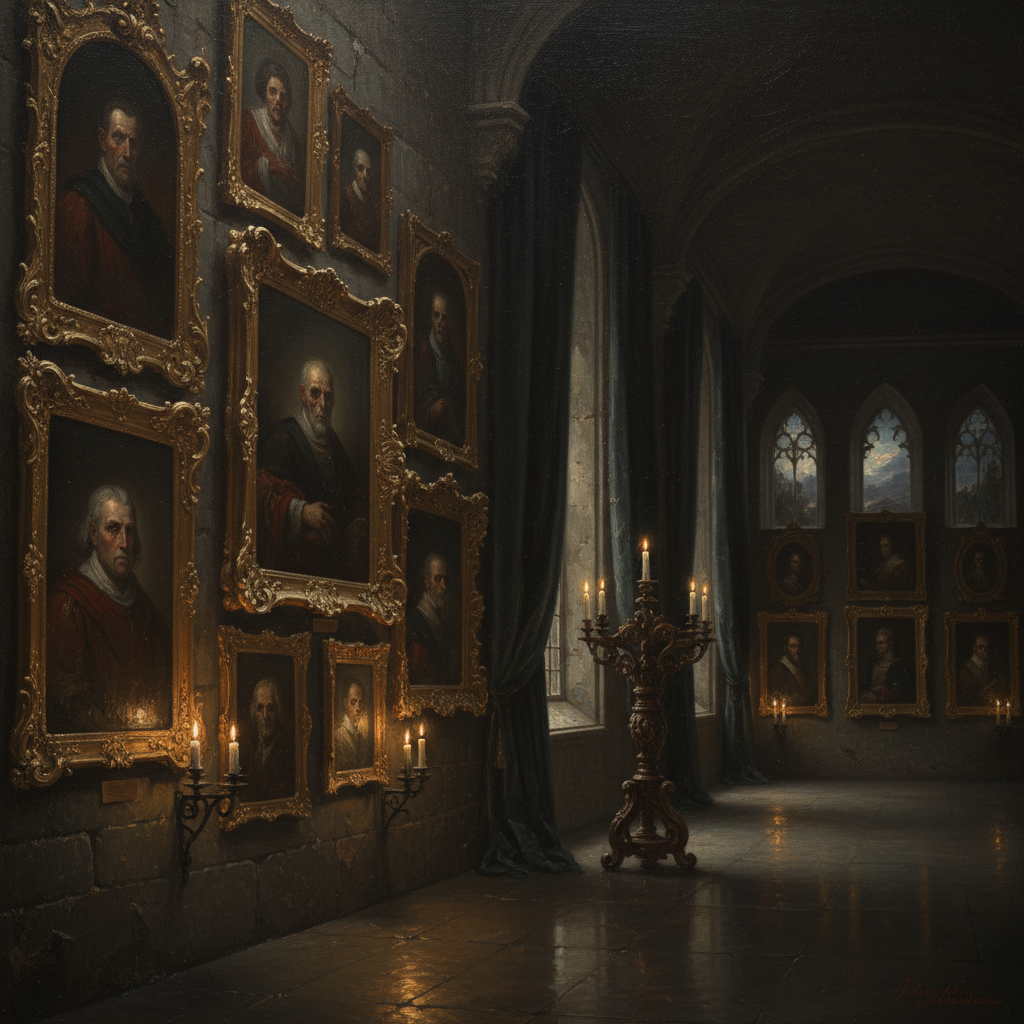
The vampire casts no reflection — yet gothic fiction is obsessed with its image. From Dorian Gray's cursed portrait to the ancestral galleries of Dracula's castle, examining how vampire literature uses painted likenesses, mirrors, and photographs to explore identity, vanity, and the terror of being truly seen.
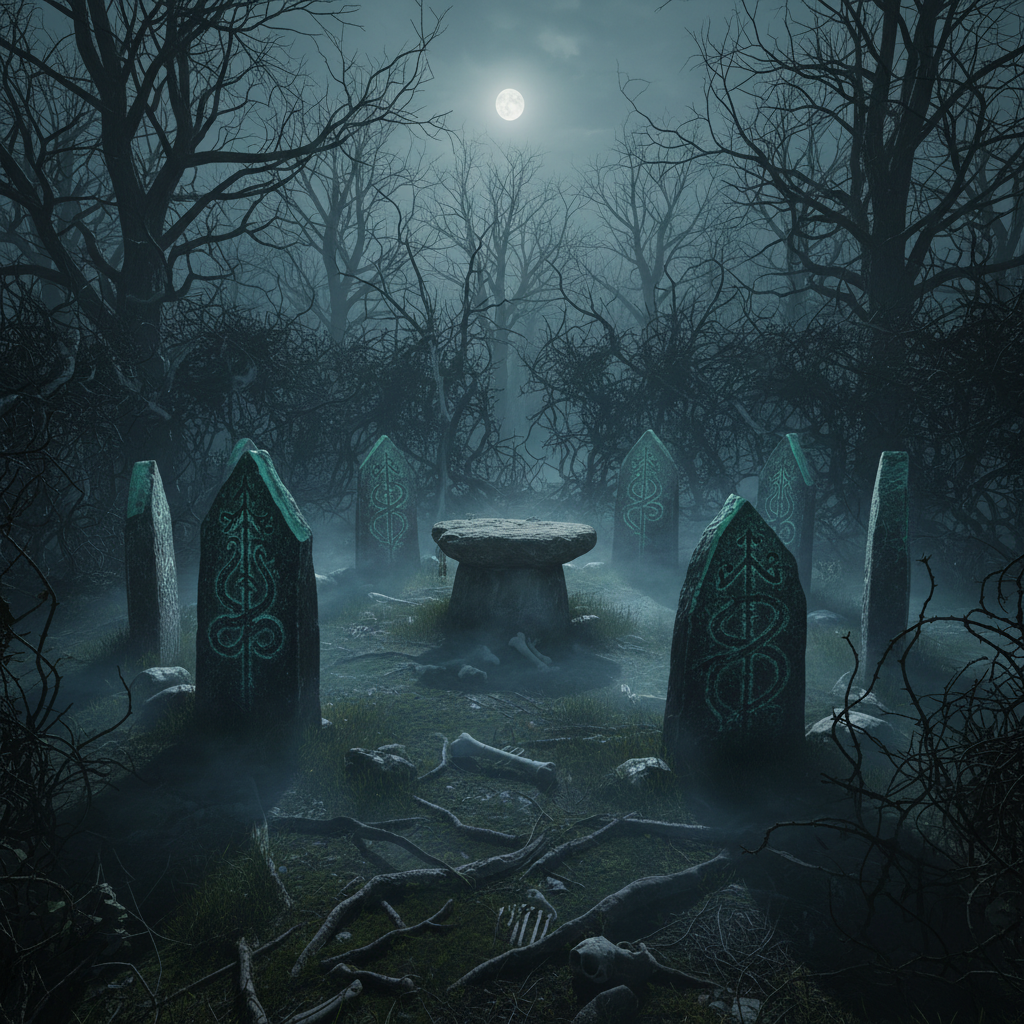
Long before the Eastern European vampire entered Western consciousness, Norse sagas described the draugr — a corpse that returned from the grave with superhuman strength, the ability to shapeshift, and an insatiable hunger. A deep dive into Old Norse undead mythology and its surprising parallels with the vampire tradition.
Garlic is only the beginning. Folk traditions across Europe and Asia assigned protective or dangerous properties to dozens of plants in relation to the undead — from hawthorn and wild rose to mustard seeds and iron-weed. A botanical survey of the vampire's complicated relationship with the plant kingdom.
The vampire made its theatrical debut in 1820 — nearly eighty years before Dracula. From Heinrich Marschner's opera Der Vampyr to the long-running West End stage adaptations of Stoker's novel, tracing the vampire's rich and often overlooked history on the stage and in the concert hall.
To live forever is to watch everyone you love turn to dust. Gothic fiction has always been as interested in the psychological cost of immortality as in its power. From Louis de Pointe du Lac's existential despair to the melancholy of Only Lovers Left Alive, examining how vampire literature uses eternal life as a meditation on grief, memory, and the unbearable weight of time.
Historians now believe that many 18th-century vampire panics were triggered by a very real and very common fear: premature burial. Before reliable tests for death existed, communities exhumed bodies and found evidence of life — and drew the worst possible conclusion. A forensic history of how medical ignorance created monsters.
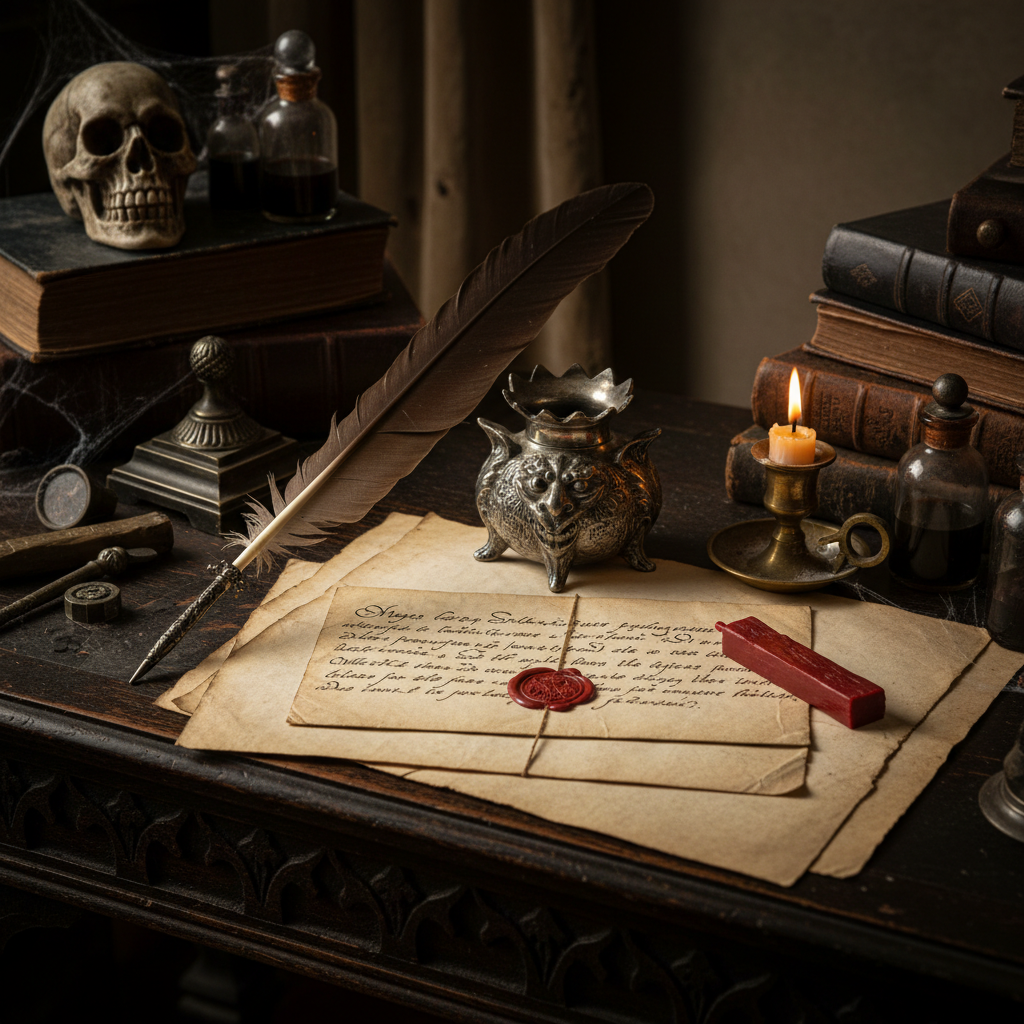
Dracula is told entirely through journals, letters, newspaper clippings, and phonograph recordings. This was no accident. The epistolary form — fiction assembled from documents — creates a specific kind of dread that omniscient narration cannot. Examining why gothic horror keeps returning to the letter, the diary, and the found document.
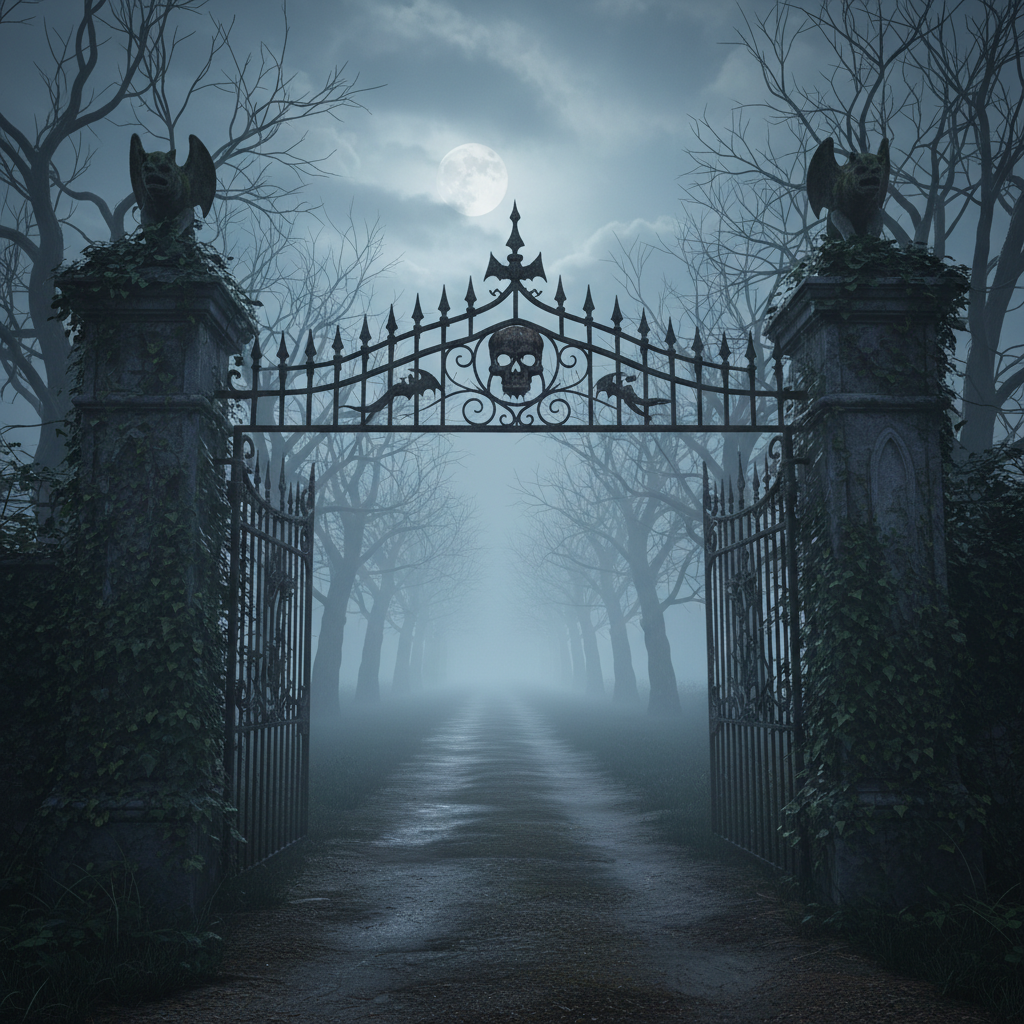
What makes a castle feel like a vampire's lair? From the real fortresses of Wallachia to the imagined towers of Gormenghast, examining the architectural elements — the labyrinthine corridors, the sealed rooms, the impossible geography — that gothic fiction uses to make a building feel alive and malevolent.
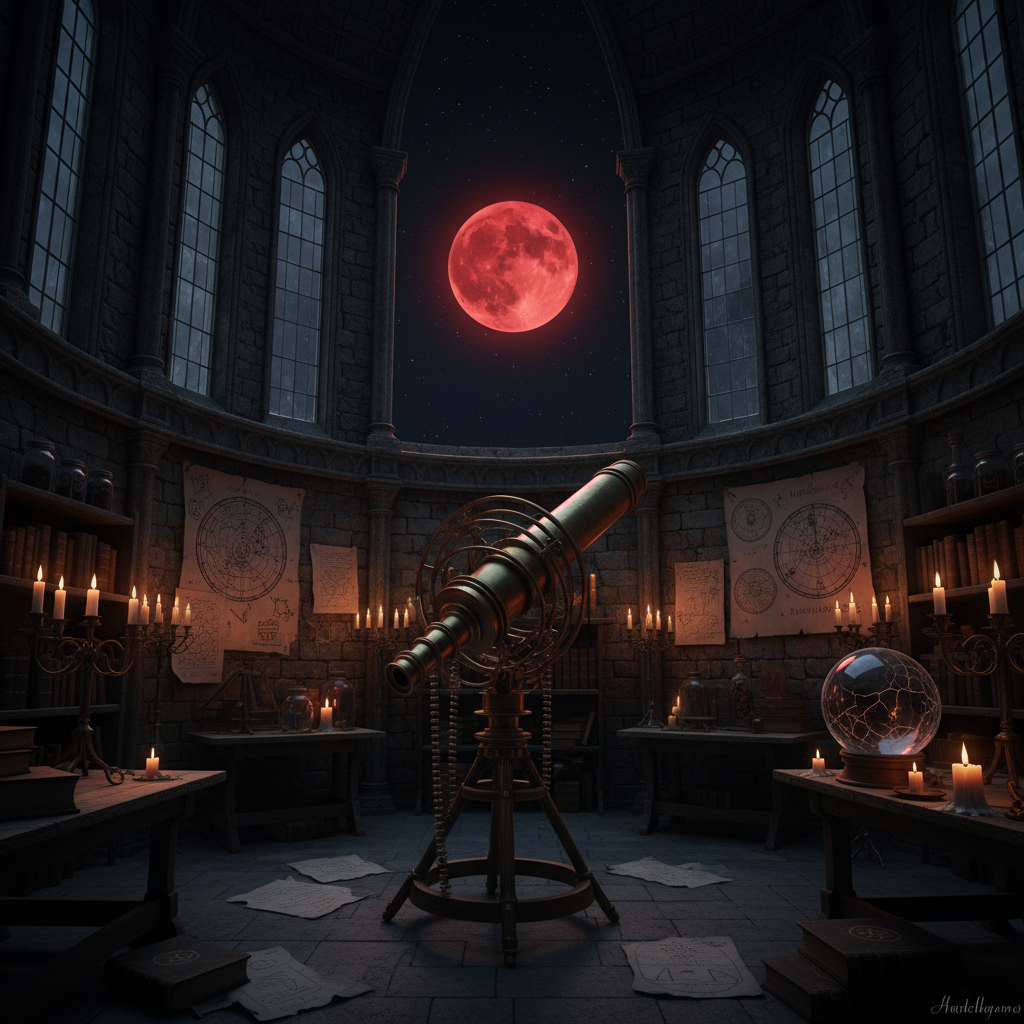
The full moon is the vampire's clock. Folk traditions across cultures tied the activity of the undead to lunar phases — and modern researchers have found surprising connections between moonlight, human sleep patterns, and the historical timing of vampire panics. A journey through the astronomy of the night and its place in the mythology of blood.
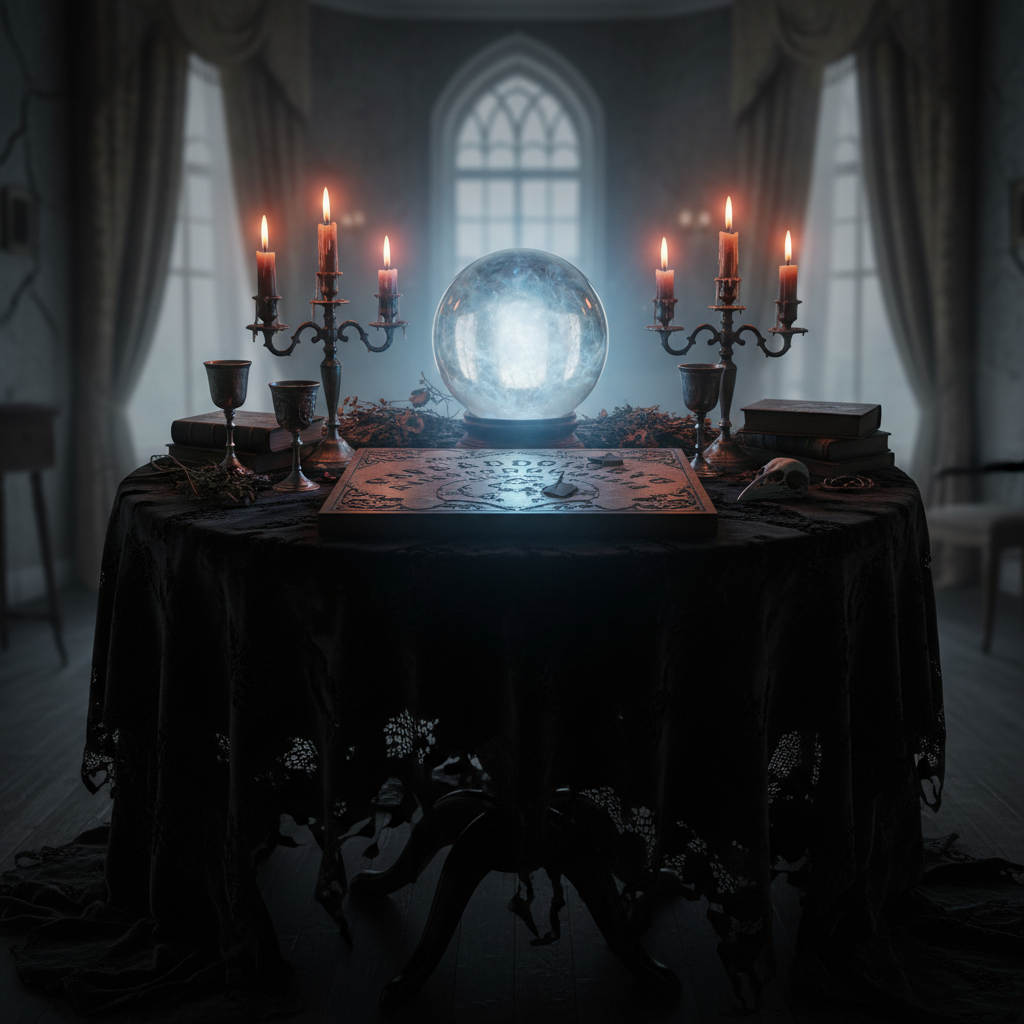
The same era that produced Dracula also produced the Fox Sisters, the Society for Psychical Research, and a mass cultural hunger to speak with the dead. Examining how the Victorian spiritualist movement and the vampire myth fed each other — and why the séance table and the coffin were, in the gothic imagination, the same kind of threshold.
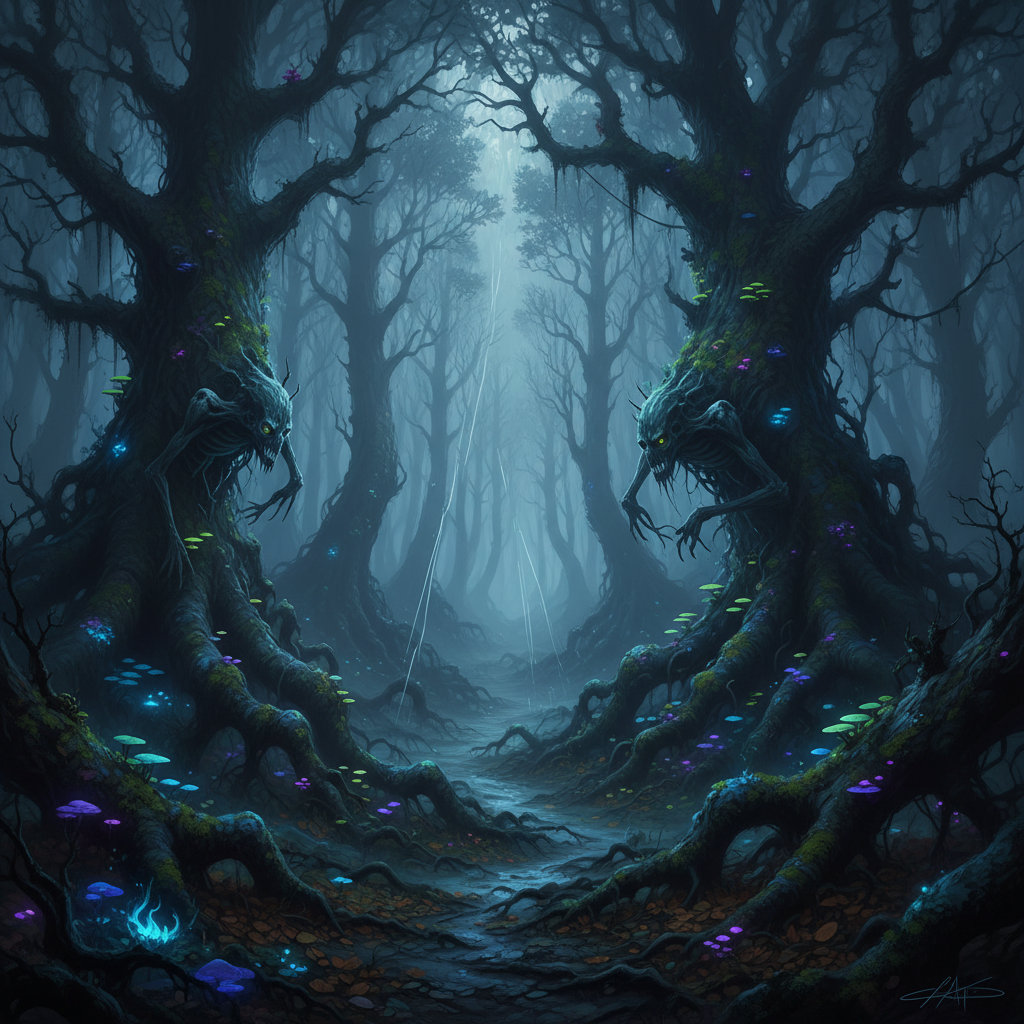
Before the castle, there was the forest. In the oldest Slavic and Balkan traditions, the vampire was a creature of the wild — lurking at the treeline, haunting crossroads, emerging from the untamed land beyond the village boundary. Exploring how the dark forest became the vampire's first home, and what that says about the ancient human fear of nature.
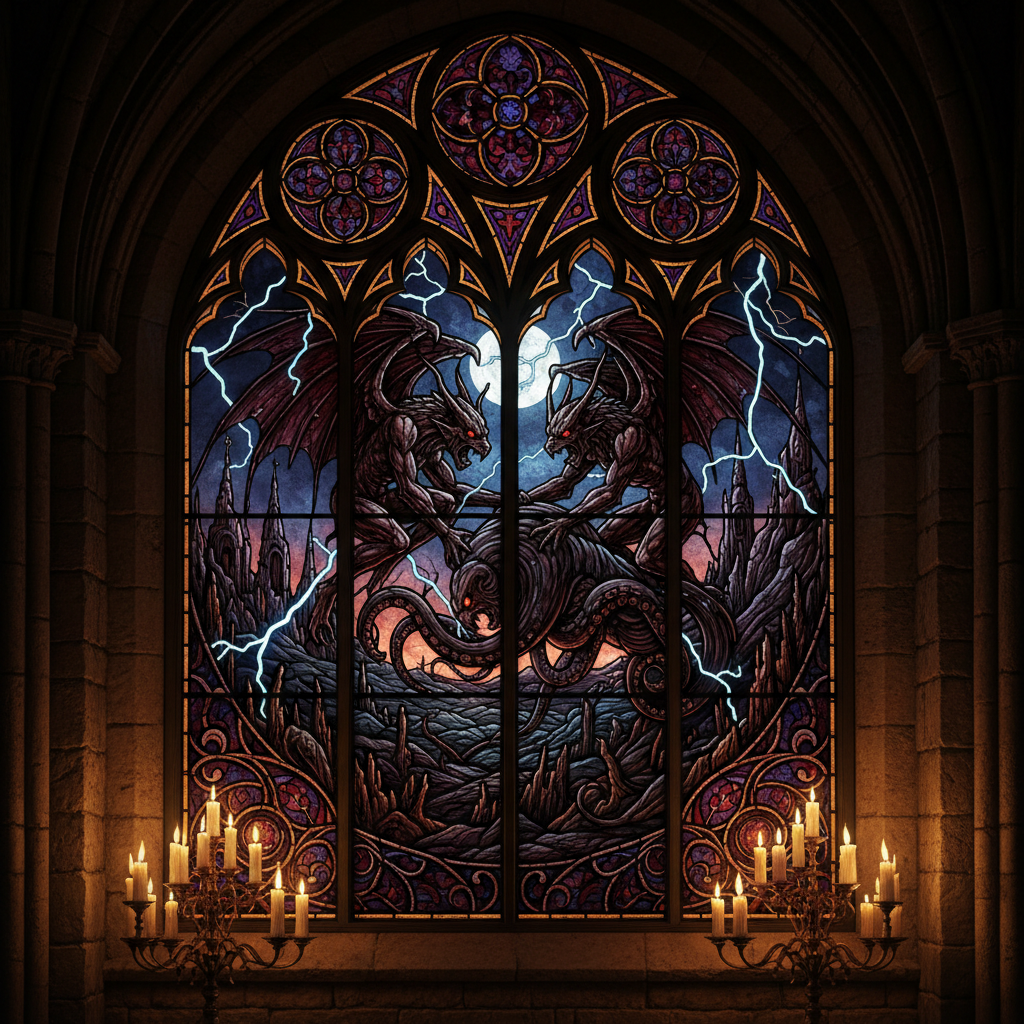
Stained glass was designed to overwhelm the senses and inspire awe — which is exactly why gothic horror keeps returning to it. From the rose windows of Notre-Dame to the blood-red lancets of fictional vampire chapels, examining how sacred art became one of the most powerful visual languages of dread.
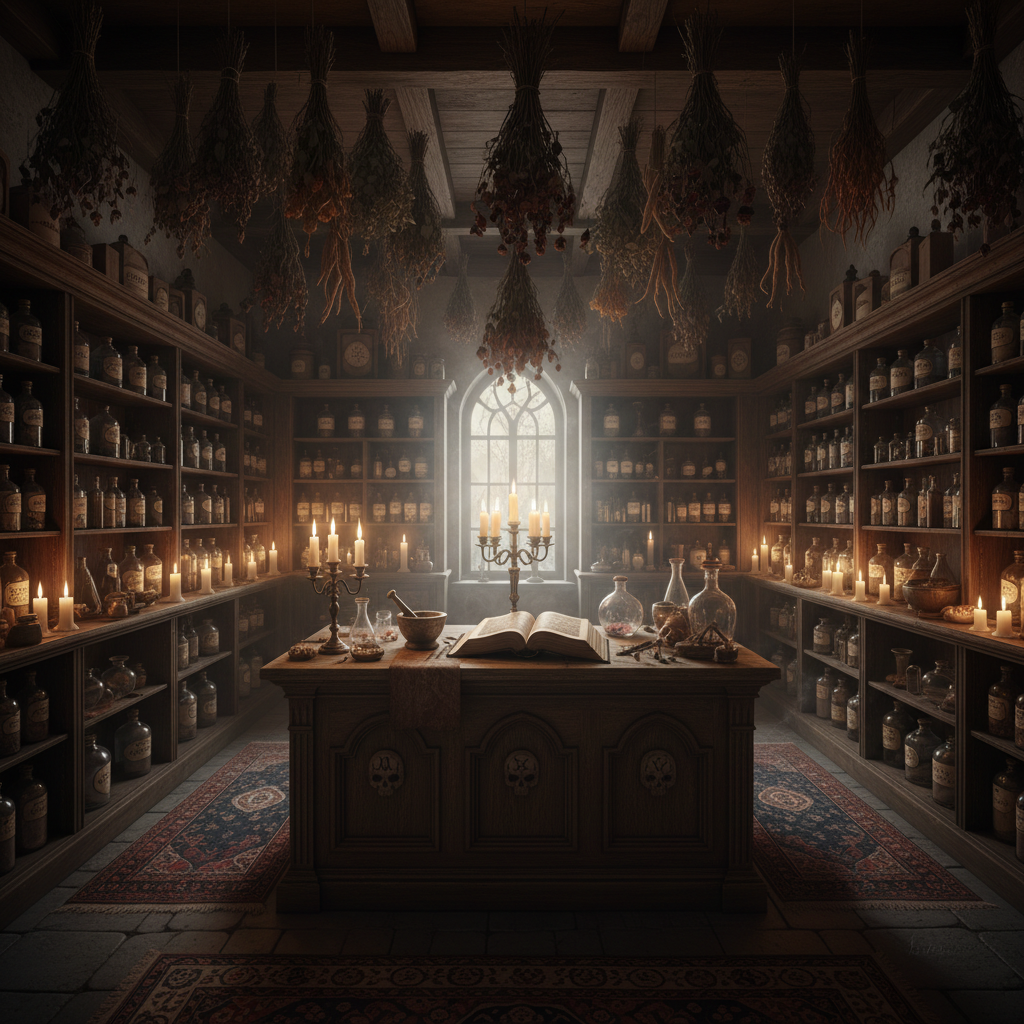
Epidemics killed entire villages in days — and communities with no germ theory needed an explanation. The vampire was, in part, a pre-scientific model of contagious disease: one infected body rising to infect others, spreading death through intimate contact. A medical history of how plague shaped the vampire myth across Eastern Europe.
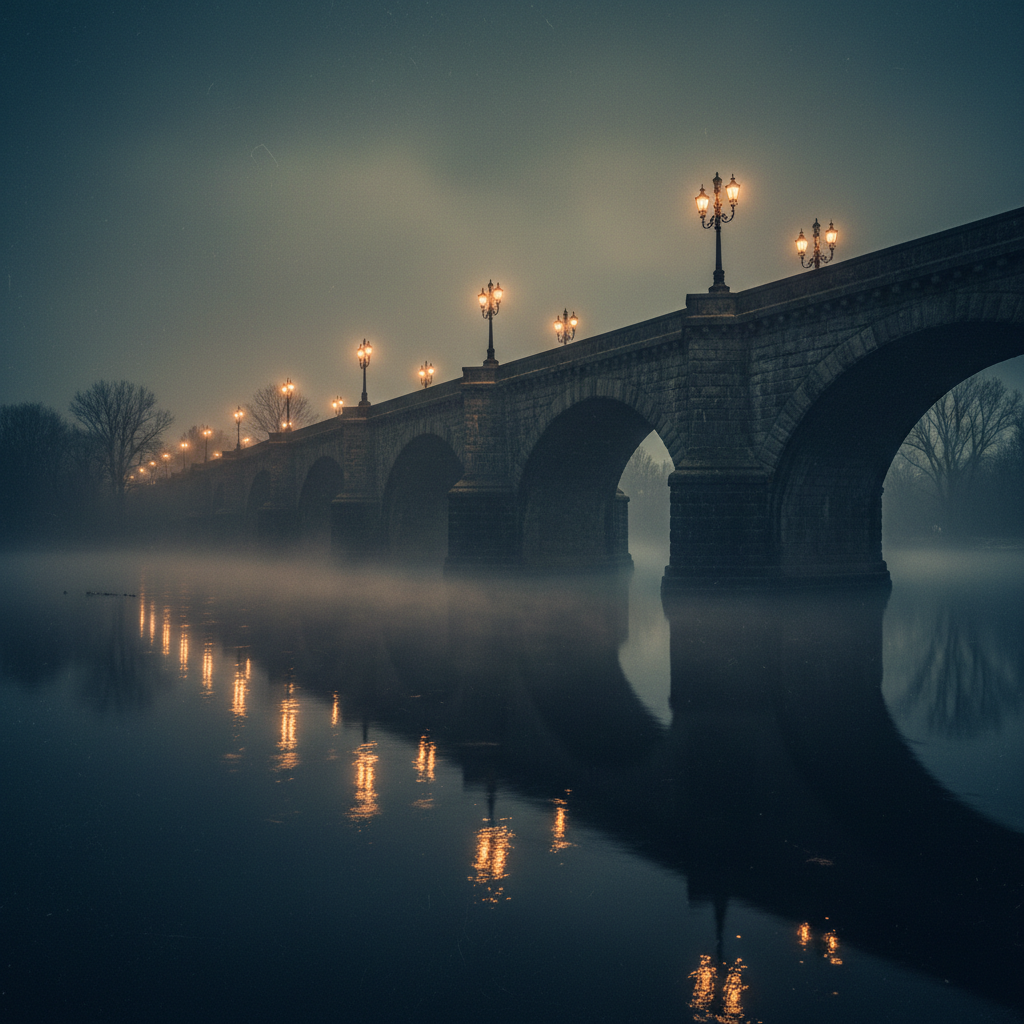
The vampire cannot cross running water. It must be invited in. It haunts crossroads and doorways. Vampire mythology is saturated with thresholds — boundaries between the living and the dead, the sacred and the profane, the known and the unknown. Examining why liminal space is so central to the vampire's power and its limitations.
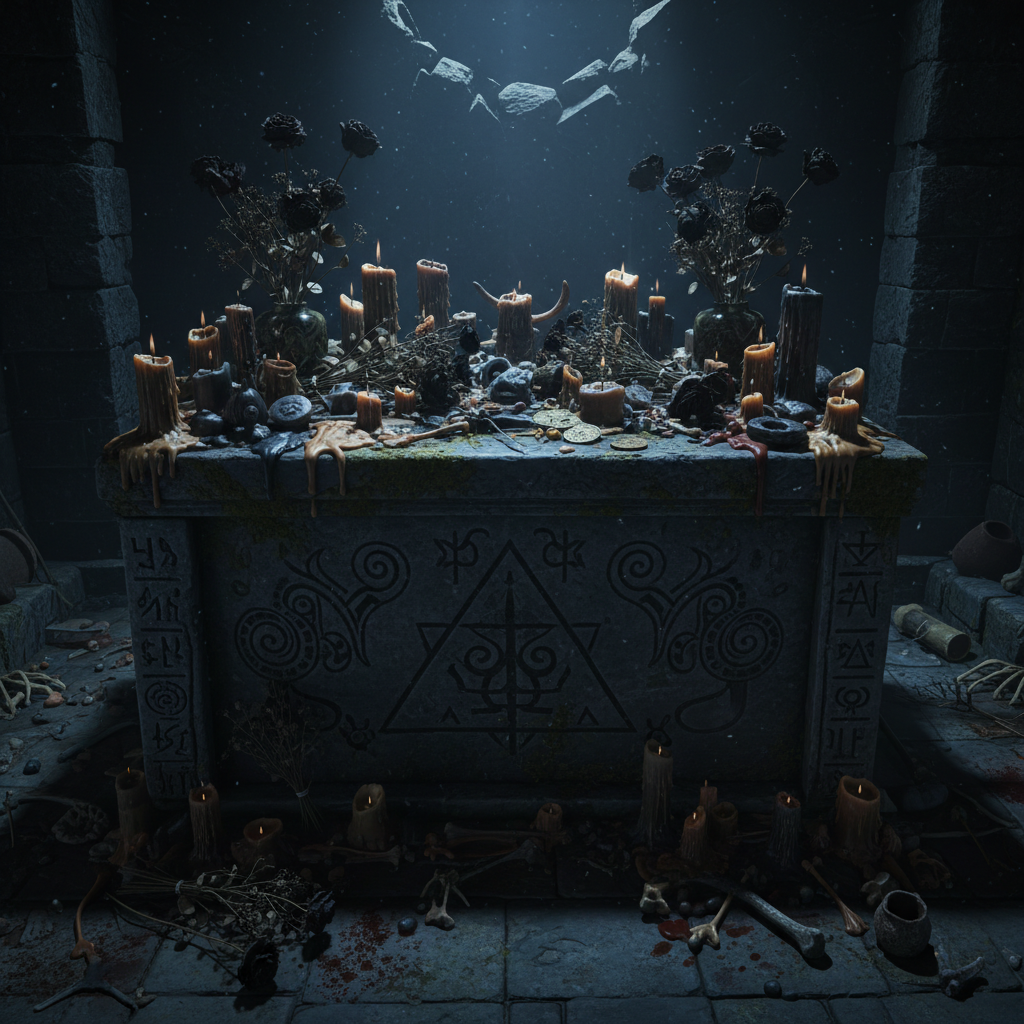
Blood sacrifice is one of the oldest religious acts in human history — and the vampire myth is inseparable from it. Tracing the connections between ancient sacrificial traditions, the vampire's feeding as a dark inversion of communion, and the ritual logic that underlies folk practices for appeasing or destroying the undead.
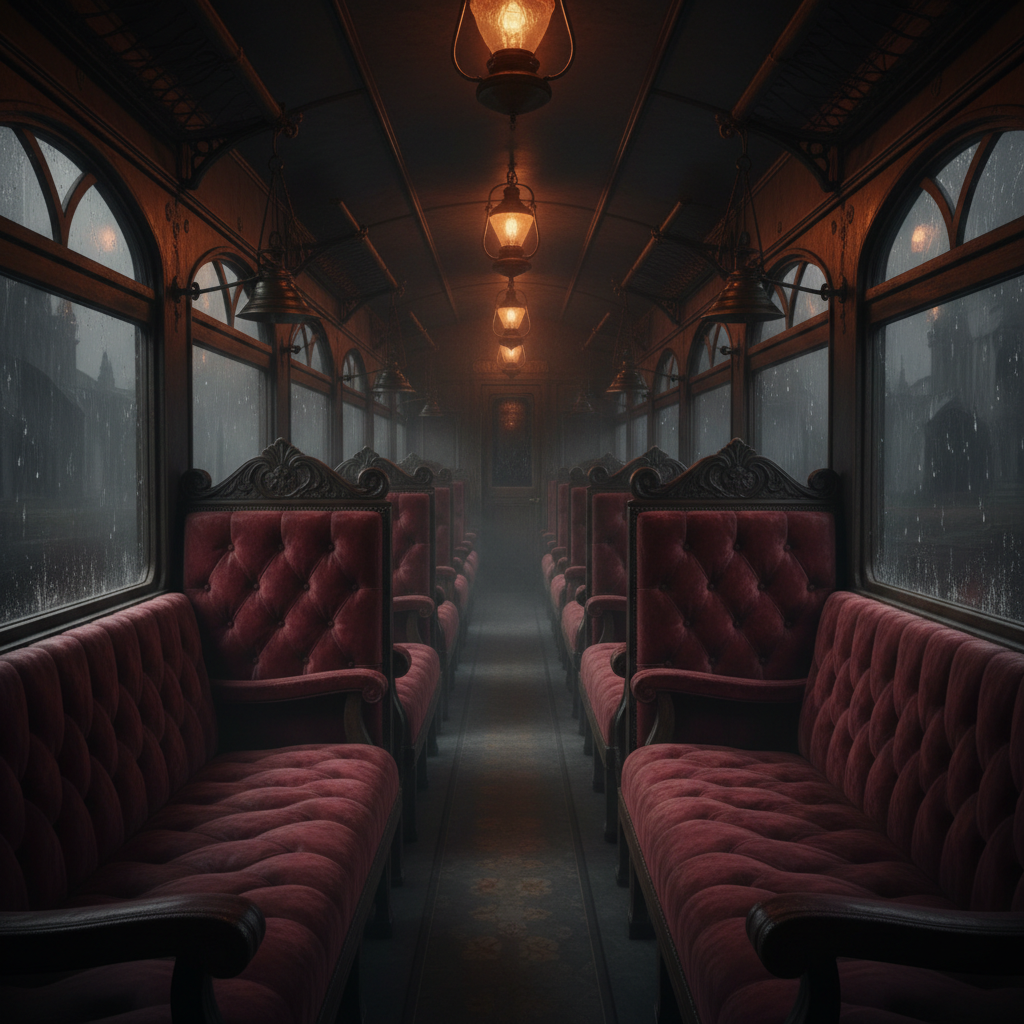
Jonathan Harker's journey to Transylvania — by train, by coach, through increasingly wild and unfamiliar country — is one of the great slow-burn horror sequences in literature. Examining how gothic fiction uses the journey as a structure of mounting dread, and why the approach to the monster's lair is always as terrifying as the arrival.
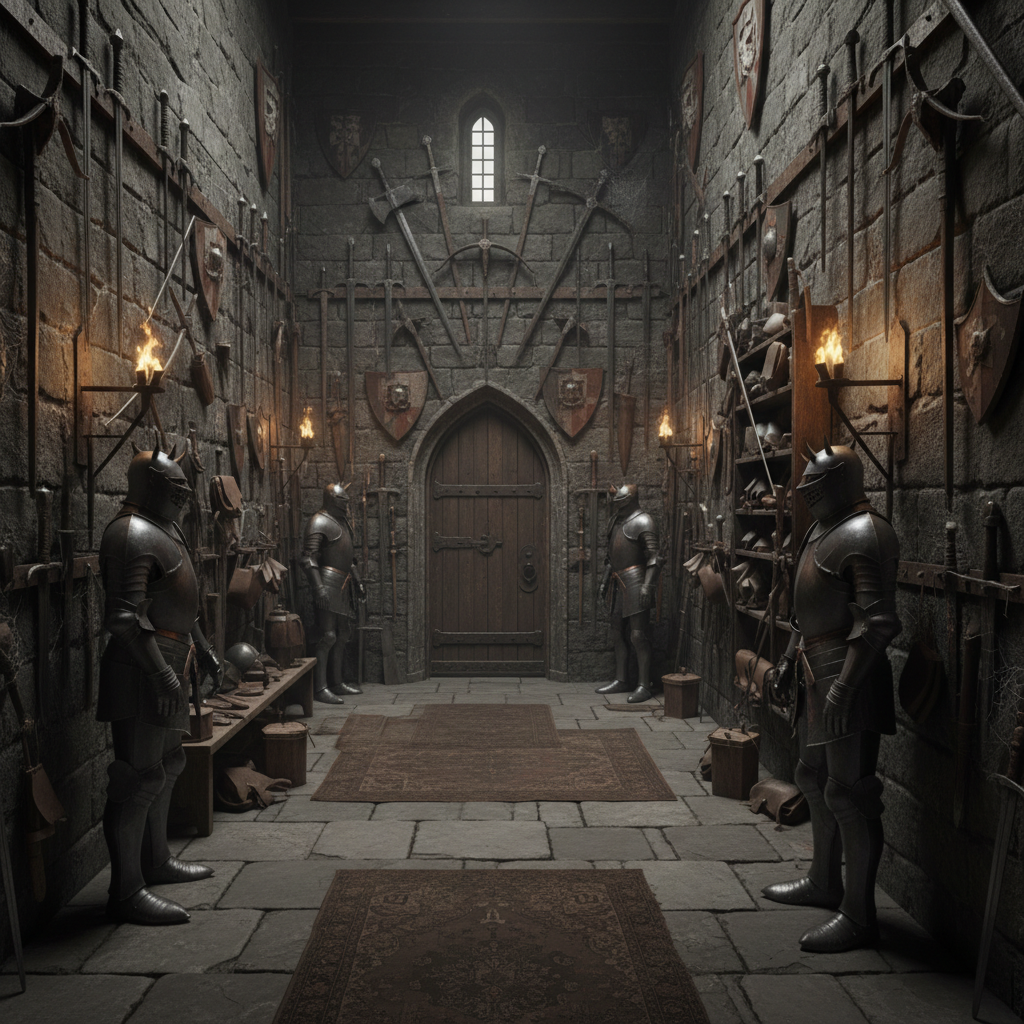
Why silver? Why a wooden stake through the heart rather than iron? The specific materials and methods prescribed for killing vampires were not arbitrary — each had a logic rooted in folk metallurgy, religious symbolism, and pre-scientific theories about purity and corruption. A material history of the weapons that folklore said could end the undead.
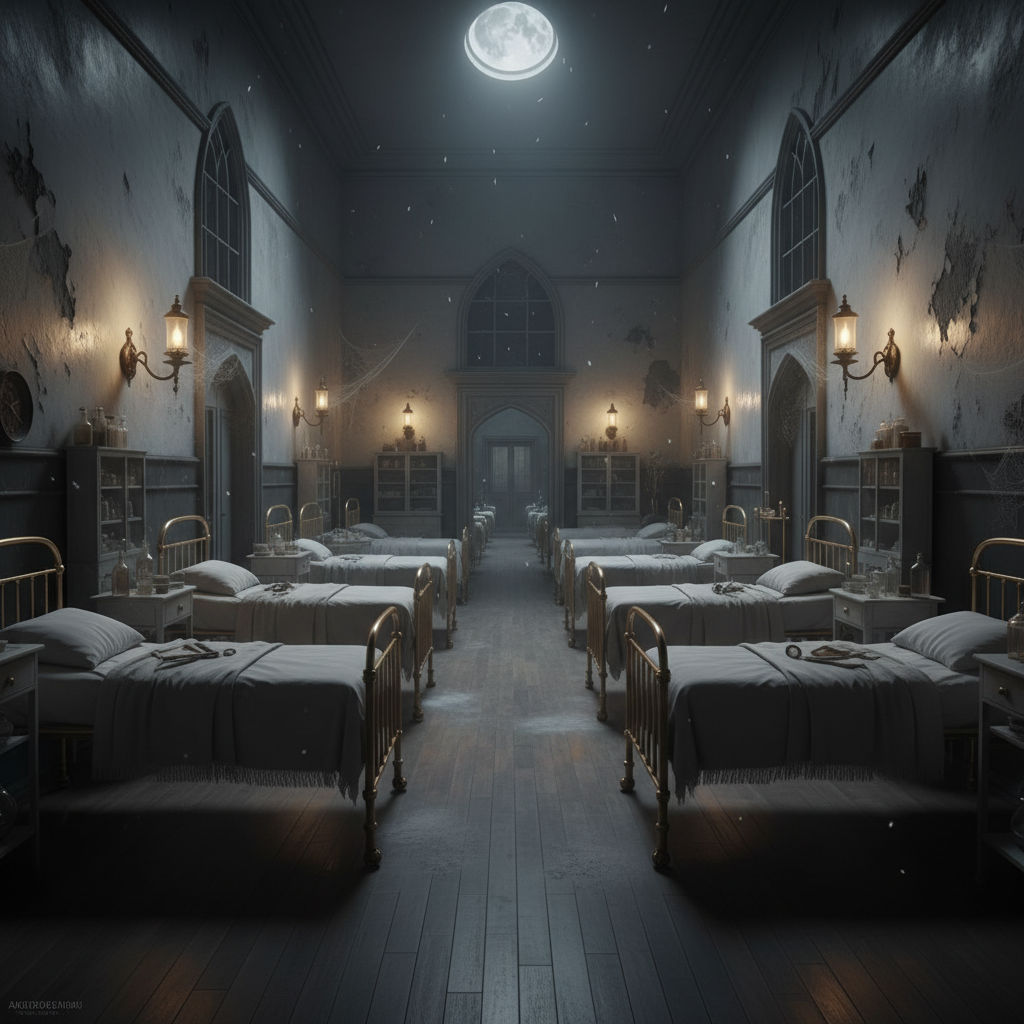
Not everyone who died became a vampire — folklore was very specific about who was at risk. Suicides, excommunicants, those bitten by animals, those born on certain days, those buried improperly. A comprehensive survey of the folk conditions that were believed to cause vampirism, and what they reveal about the communities that feared it.
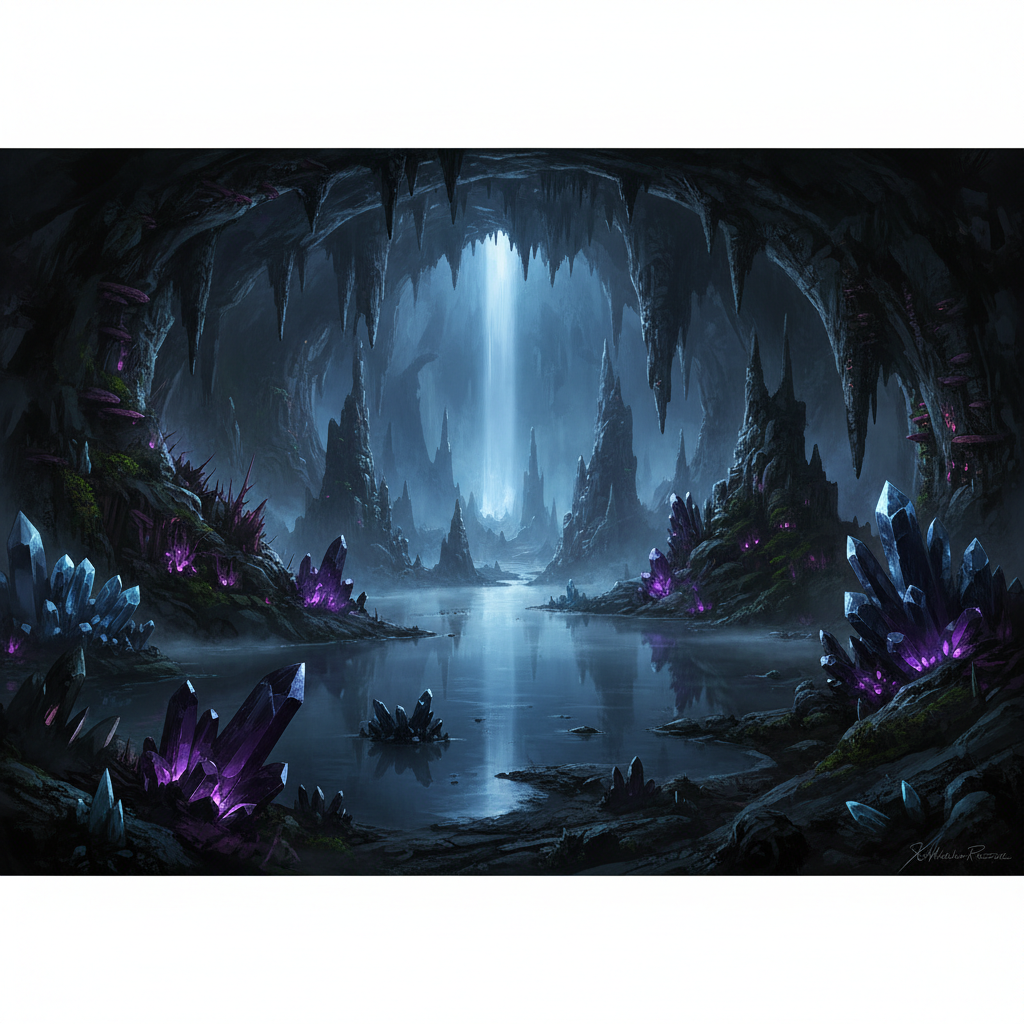
The vampire retreats downward — into the crypt, the cellar, the cave, the earth itself. Gothic fiction has always associated the undead with depth and darkness, with the buried and the hidden. Examining the subterranean imagination of vampire literature, from the vaults beneath Dracula's castle to the underground networks of modern vampire fiction.